

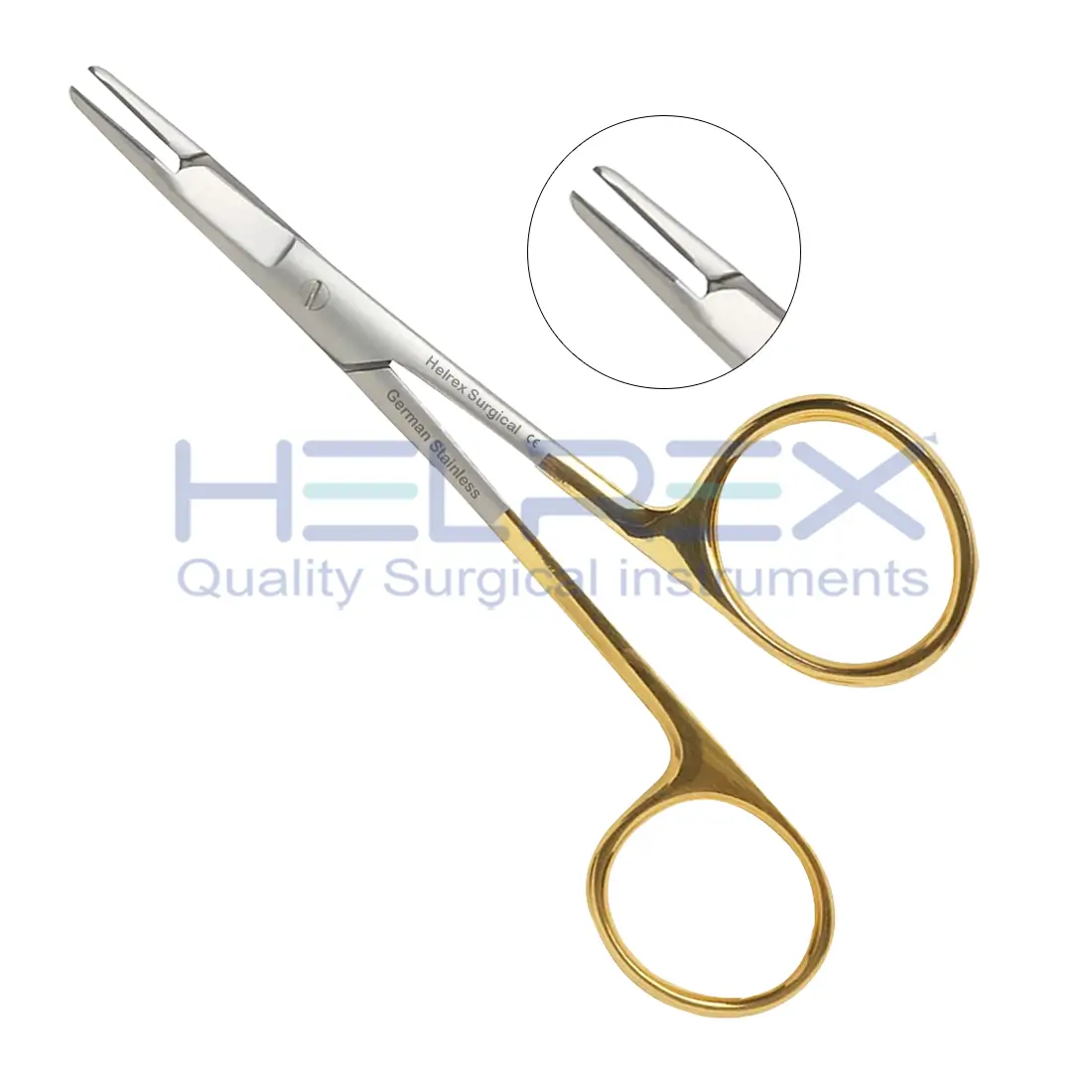
Gillies Needle Holder 6 1/4″ (16cm) Tungsten Carbide Serrated Jaw
Original price was: $45.00.$28.00Current price is: $28.00.
- Available straight or curved, 16cm.
- Angled design clears the operative field cleanly.
- Fully Reusable, Autoclavable / Sterilizable.
- Premium quality materials and craftsmanship.
- Lifetime Warranty.
Introduction of Gillies Needle Holder Straight or Curved 16cm
Most clinicians meet the Gillies Needle Holder backwards — they notice the integrated scissor function before appreciating the offset design that makes it possible. That angled geometry, rather than the incorporated scissors, is what lets surgeons work without needing to reposition the instrument mid-suture.
In my hands, the difference shows after months. Tungsten carbide inserts brazed into the serrated jaw resist the wear that dulls standard stainless steel variants, and the German stainless steel body stays rust-free through repeated cycles an extended service-life you can actually measure.
At 16cm, roughly 6 1/4″, the slender lightweight design suits plastic surgery and microsurgical work where 4/0 to 6/0 sutures dominate. The non-slip crosshatched surface on the shanks gives excellent control, while pyramid-shaped teeth hold the smallest sutures without crushing them.
One caveat rarely mentioned: the One Large Offset Ring favours right handed users, so left-handed buyers should specify accordingly. Otherwise it remains fully autoclaveable, reusable, and handcrafted to a standard the lifetime replacement warranty quietly backs reconstructive surgery demands that kind of reliable performance.
Core Features
Most surgeons notice the jaws first. Pyramid-shaped teeth milled into tungsten carbide inserts bite without crushing, giving a secure grip on fine needles. That bite is what separates a precision surgical instrument from a merely adequate one during prolonged suturing in the operating room.
The angulation matters more than catalogues suggest. Angled jaws clear the operative field, allowing precise access where straight shanks would obstruct sightlines. Combined with a dual gold finger ring handle, the device delivers enhanced control through challenging surgical conditions without forcing awkward wrist rotation.
Durability is unglamorous but decisive. High-quality stainless steel bodies with high tensile strength survive rigorous use and repeated autoclaving, which is why the reusable design earns its longevity. Low maintenance matters too carbide inserts resist wear that would dull conventional jaws within months.
In gynecological surgical instruments trays and obstetric suites alike, this pattern shows up because delicate manipulation demands stability. Plastic surgery procedures and microsurgical work benefit similarly. Shipped non-sterile, the premium finish and lightweight balance support peak performance across specialized fields requiring secure handling.
Specification and uses
Most buyers judge these instruments by length some buy 15cm learned to judge the jaw insert first. Tungsten carbide plates give this premium, expertly crafted piece its true grip. A lightweight 16 cm frame keeps high quality stainless steel durable through years of demanding precision work.
Serrations matter less than what sits between them. The specialized curved serrated tip locks a wide suture range without shredding it, while smooth inner aspects near the box joint prevent tissue pinch. Holding sutures and manipulating sutures becomes muscle memory, not wrestling, once safe grasps feel automatic. Surgeons reach for it during aesthetic procedures and reconstructive procedures, though general surgery trays keep one too. In complex surgical procedures around critical structures, that angled beak clears the visual field, so handling needles deep inside narrow pockets stops feeling like guesswork entirely.
Longevity is earned at the ratchet, not on the marketing sheet. A resilient ratchet that clicks cleanly after thousands of cycles delivers unparalleled control and an extended operational lifespan. That is what makes this a dependable, versatile tool rather than merely an ideal tool on paper.
| Weight | 0.14 kg |
|---|---|
| Shape | Curved, Straight |
Be the first to review “Gillies Needle Holder 6 1/4″ (16cm) Tungsten Carbide Serrated Jaw”
- Helrex surgical instruments is a highly specialized process that requires attention to detail to ensure safety, sterility, and compliance with medical regulations. Each instrument should be carefully inspected for damage, wear, and proper functioning. Any defective items are discarded or repaired. Our instruments must be packed in poly bags packaging sterile packaging or according to Customers demand (Leather Case, Blister card, Display box etc.) Delivery time:- 6 working days via DHL/ FEDEX/ UPS/ TNT, 12working days via EMS. We must be shipped ASAP after payment is received in 5 working days or according to agreement.
Related products
Plastic Surgery Needle Holders
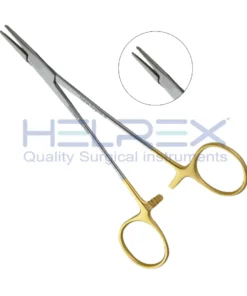
Plastic Surgery Needle Holders
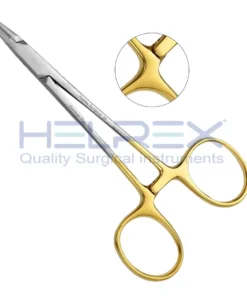
Plastic Surgery Needle Holders
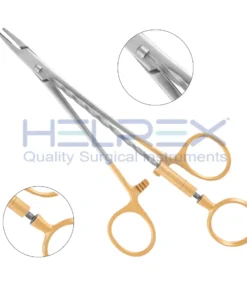
Plastic Surgery Needle Holders
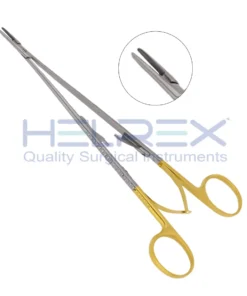
Plastic Surgery Needle Holders
Plastic Surgery Needle Holders
Plastic Surgery Needle Holders
Plastic Surgery Needle Holders

Reviews
There are no reviews yet.