

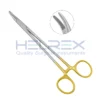
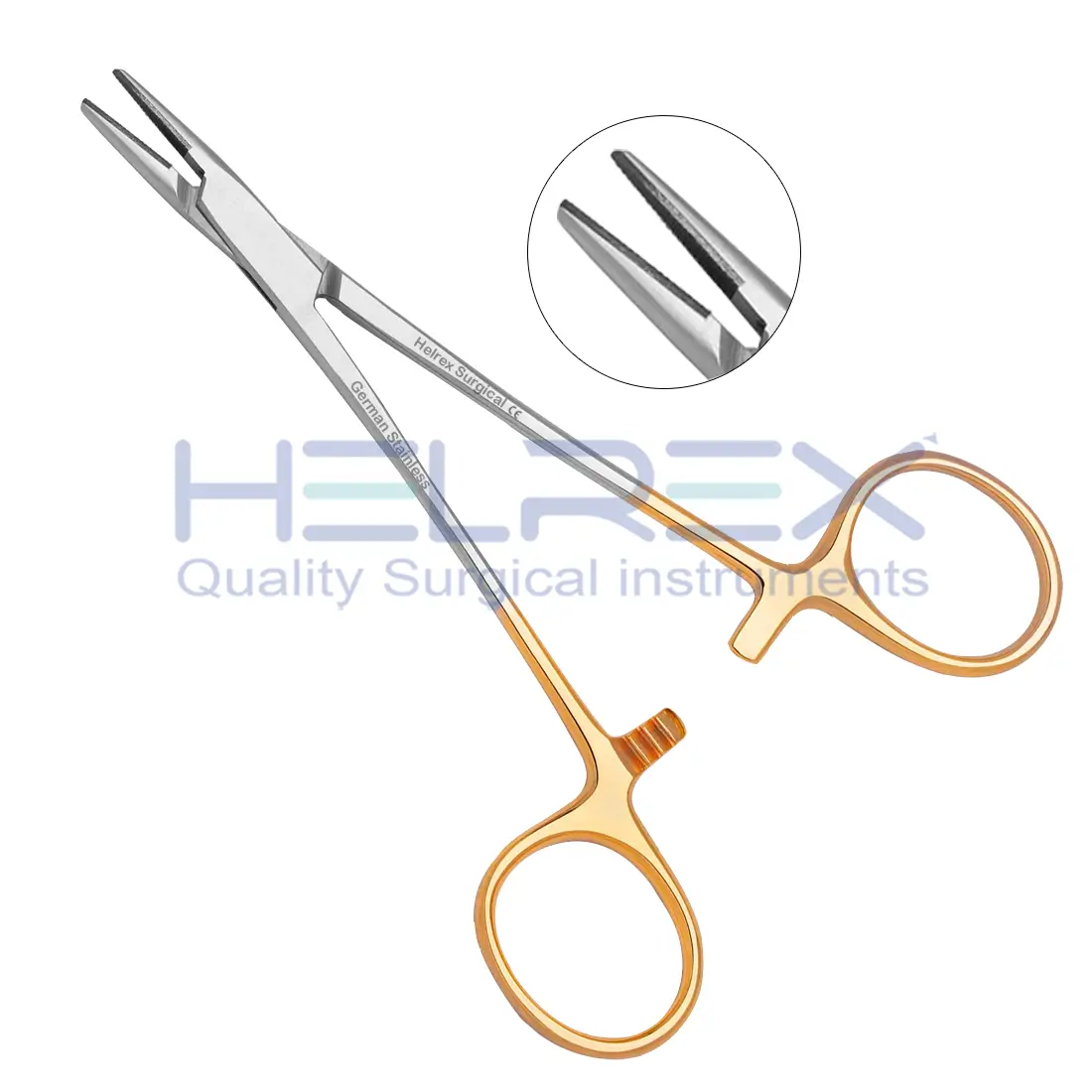
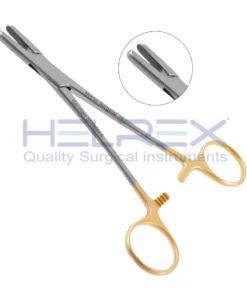
Halsey Needle Holder Tungsten Carbide 13cm
Original price was: $54.00.$28.00Current price is: $28.00.
- ungsten carbide jaws grip needles without slipping.
- Secures fine sutures from 4-0 to 10-0
- Fully Reusable, Autoclavable / Sterilizable.
- Premium quality materials and craftsmanship.
- Lifetime Warranty.
Introduction of Halsey Needle Holder 13cm
Most surgeons meet the Halsey Needle Holder halfway through a case, not before it. At 13.0 cm, this instrument sits shorter than the 4 to 7 inches range most needle drivers occupy, which explains why ophthalmology trays keep several within reach.
What surprises newcomers is the scissor-like jaw design. Tungsten carbide inserts are precision-milled into the jaws, giving a bite that grips suturing needles without spinning them. The ratchet lock holds firm; releasing it takes a deliberate thumb roll, never an accident mid-suture. German stainless steel shafts, handcrafted and rustproof, explain the extended service-life that clinicians quietly depend on. I have watched a 5″ standard model outlast three cheaper pairs. Wear-resistant carbide simply refuses to polish smooth, so grasp stays honest after hundreds of autoclave cycles.
Plastic surgery and ophthalmic surgery both borrow it for delicate tissues, though the fine serrated jaws matter most when handling sutures too small to see clearly. Gold-plated handles flag the carbide version instantly; the finger ring handles keep manual control where your fingers already sit.
Core Features
Most surgeons notice the smooth tungsten carbide jaws first, though the pyramid-shaped teeth matter more. Those tiny ridges bite the needle without scoring it, while the non-slip crosshatched surface along the handles keeps fingers anchored during long cases demanding real precision.
The locking mechanism deserves attention too. Its ratchet catches cleanly, releases without that jarring snap cheaper instruments produce, and gives unmatched control when you secure a suture mid-field. Combined with the ergonomic ring handles, the lightweight body reduces hand fatigue across extended operating lists. Where it truly earns its place is microsurgical work — vascular anastomoses, ophthalmic surgical procedures, anywhere the smallest sutures are involved. The jaw tips grip 4-0 through 10-0 without deforming them, which is why superfine suturing techniques stay reliable rather than becoming a gamble.
Manufacturing details separate good from adequate:
Surgical-grade stainless steel frames, a glare-cutting satin finish, CE Class I registration, and reinforced tungsten inserts that stay durable through repeated autoclaving. The 5″ straight pattern remains standard, though left-handed models exist for surgeons who need them.
Specification and uses
Most surgeons judge a Halsey by weight first, but the tungsten carbide inserts decide everything. Those serrated jaws grip surgical needles without rocking, and the tapered profile reaches into deep surgical access points where bulkier instruments simply stall against retracted tissue.
Specification sheets list a 13 cm size, gold-plated rings signalling carbide, and a three-notch ratchet. In practice that ratchet matters more: it lets you hold tension mid-suture, release with a thumb roll, and manipulate the needle body during fine manipulations near vessels. Plastic and reconstructive work is where this medical device earns its keep. Smooth jaws protect microsutures during delicate procedures, while the non-slip surface on the handle prevents drift when gloves turn wet. Precise tissue approximation follows naturally, not from force but from steady placement.
Instruments crafted to rigorous standards survive repeated autoclaving across busy surgical environments. The smooth design cleans quickly, adding convenience between cases, while carbide grip delivers unparalleled control. That combination is why theatre staff quietly reserve one Halsey for closures demanding speed without compromise.
| Weight | 0.14 kg |
|---|
Be the first to review “Halsey Needle Holder Tungsten Carbide 13cm”
- Helrex surgical instruments is a highly specialized process that requires attention to detail to ensure safety, sterility, and compliance with medical regulations. Each instrument should be carefully inspected for damage, wear, and proper functioning. Any defective items are discarded or repaired. Our instruments must be packed in poly bags packaging sterile packaging or according to Customers demand (Leather Case, Blister card, Display box etc.) Delivery time:- 6 working days via DHL/ FEDEX/ UPS/ TNT, 12working days via EMS. We must be shipped ASAP after payment is received in 5 working days or according to agreement.
Related products
Plastic Surgery Needle Holders
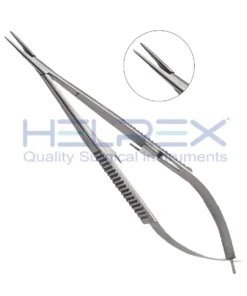
Plastic Surgery Needle Holders
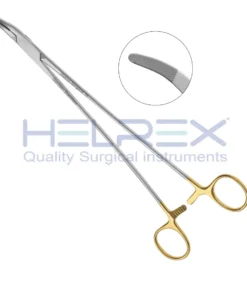
Plastic Surgery Needle Holders
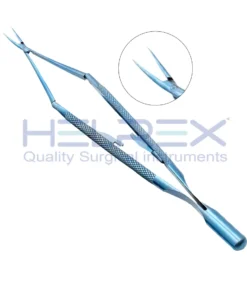
Plastic Surgery Needle Holders
Double-Action Micro Needle Holder with Diamond Surface jaws grip

Plastic Surgery Needle Holders

Plastic Surgery Needle Holders
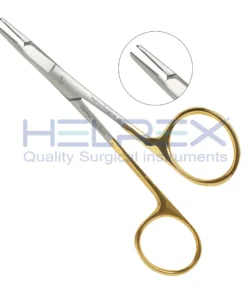
Plastic Surgery Needle Holders
Gillies Needle Holder 6 1/4″ (16cm) Tungsten Carbide Serrated Jaw
Plastic Surgery Needle Holders

Reviews
There are no reviews yet.