

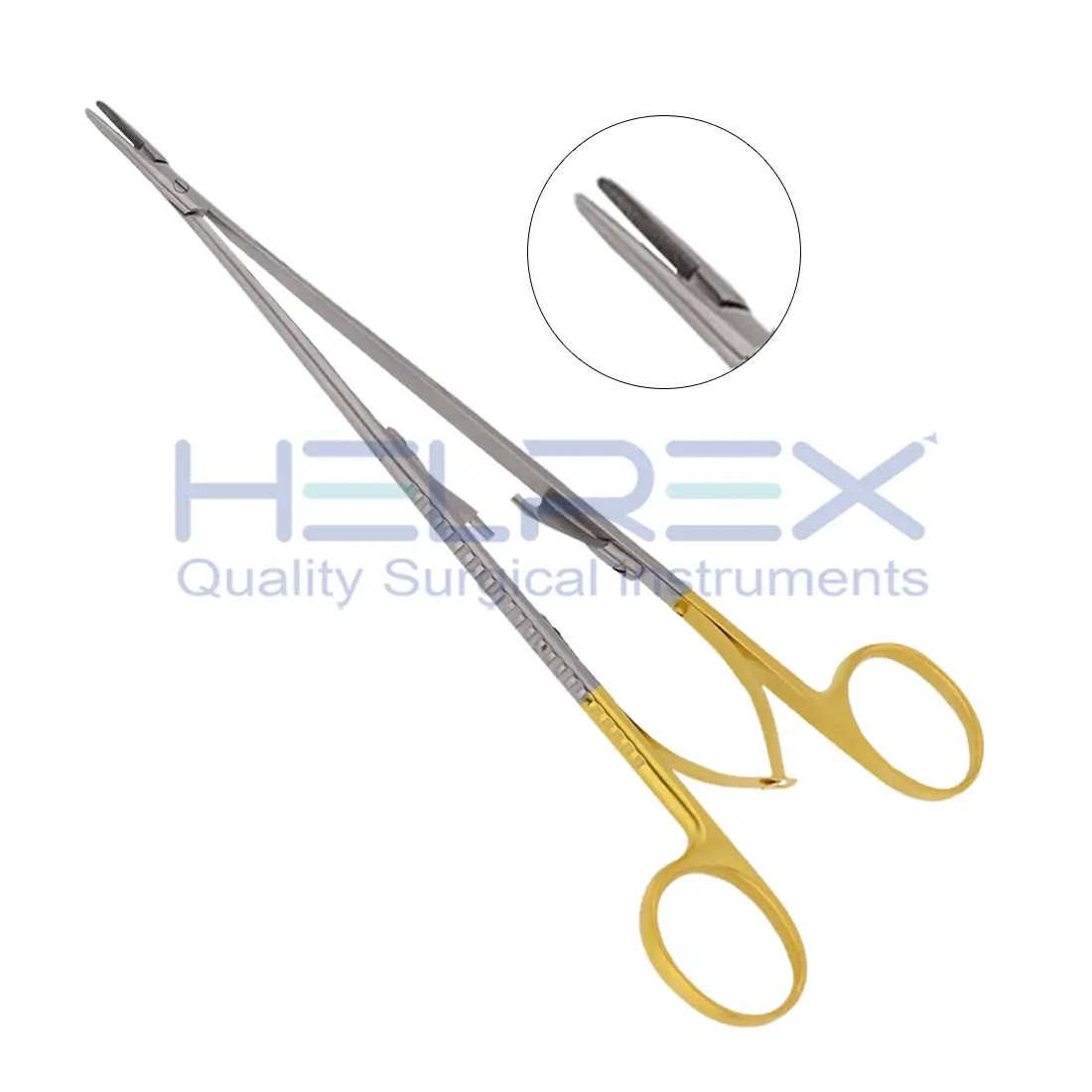
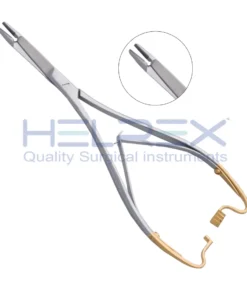
Diethrich Needle Holder Tungsten Carbide, 1.0 mm Jaw
Price range: $55.00 through $65.00
- Tungsten carbide 1.0 mm tapered jaw tips
- Cross-serrations grip 6-0 to 8-0 sutures
- Fully Reusable, Autoclavable / Sterilizable.
- Premium quality materials and craftsmanship.
- Lifetime Warranty.
Introduction of Diethrich Needle Holder 1.0 mm Jaw
Most failed suturing attempts get blamed on surgical technique, rarely on the apparatus itself. Yet hand clinicians a poorly balanced needle holder and watch dexterity collapse. The Diethrich Needle Holder exists because microsurgical procedures punish every last gram of imbalance.
Helrex builds this versatile surgical instrument from German stainless steel, handcrafted in Germany where instrument-making traditions predate modern plastic and reconstructive surgery. Tungsten carbide inserts are brazed into the jaws, a construction choice that buys resilience long after ordinary stainless steel surfaces have worn down.
The 1.0 mm jaw narrows to tapered tips that let surgical needles sit exactly where intended. Precision-milled cross-serrations across the inner aspects deliver a non-slip bite, minimizing slippage when 6-0, 7-0, or 8-0 sutures demand absolute precision from a steady hand.
Its ring handles carry a spring lock whose self-retaining ratchet function engages without breaking fluid motions mid-field. Across delicate procedures, that secure grip translates into steadfast control, comfort through long cases, and the extended service-life every reusable instrument should honestly promise.
Core Features
Most surgeons notice the smooth tungsten carbide jaws last, though I’d argue they matter first. The crosshatched surface grips fine sutures without shredding them, while pyramid-shaped teeth hold types of needles that slip in lesser holders. That texture is precision engineering, not decoration.
Gold-plated handles signal the TC dusted jaws beneath, a convention I’ve relied on when trays get crowded. Annular handles, sometimes called ring handle designs, pair with long shafts for optimal handling throughout plastic surgery procedures that demand unparalleled control from the opening stitch.
The integrated spring lock divides opinion. Colleagues handling intricate suturing tasks avoid it entirely; I’ve found the locking assembly grants reliable needle retention without wrist fatigue. Spring handles release cleanly, a dependable trait across several lengths, including the 8” overall variant.
High-quality stainless steel explains the longevity of services here; resilient materials endure autoclave cycles that warp cheaper stock. A straight profile carrying 1.0 mm tips preserves precise alignment on the smallest sutures, and each surgical instrument ships non-sterile, leaving processing under your protocol.
Specification and uses
Most surgeons judge a needle holder by its jaws; I judge it by what my fingers forget. The lattice texture across the working surface grips 4-0 through 8-0 needles without crushing them, which is exactly why delicate surgeries rarely punish a moment’s inattention.
Cardiovascular residents often over-squeeze. A spring-loaded jaw corrects that habit quietly: the locking mechanism clicks, releases, and returns without wrist rotation. Pair those spring and ring fasteners with comfortable finger ring handles, and you get unrivaled command during long anastomoses, minus the cramping. Specifications matter less than proportions. Standard lengths run 18 to 21 cm in German stainless steel, with tungsten carbide inserts making the instrument genuinely durable. The straight design suits shallow fields; stability at the tip converts anatomy into precision suturing tasks rather than guesswork.
Microvascular grafting, ophthalmic repair, and pediatric bypass all reward meticulous techniques, so this novel design earns its place in intricate surgeries. The real surgical advantages show at hour four: efficiency holds, fatigue doesn’t win, and seamless surgical performance stops depending on how fresh you are.
| Weight | 0.14 kg |
|---|---|
| Please Select Length | 15cm, 18cm(+$7.00), 20.5cm (+$10.00) |
Be the first to review “Diethrich Needle Holder Tungsten Carbide, 1.0 mm Jaw”
- Helrex surgical instruments is a highly specialized process that requires attention to detail to ensure safety, sterility, and compliance with medical regulations. Each instrument should be carefully inspected for damage, wear, and proper functioning. Any defective items are discarded or repaired. Our instruments must be packed in poly bags packaging sterile packaging or according to Customers demand (Leather Case, Blister card, Display box etc.) Delivery time:- 6 working days via DHL/ FEDEX/ UPS/ TNT, 12working days via EMS. We must be shipped ASAP after payment is received in 5 working days or according to agreement.
Related products

Plastic Surgery Needle Holders
Plastic Surgery Needle Holders
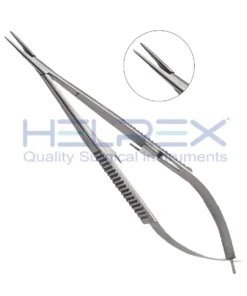
Plastic Surgery Needle Holders

Plastic Surgery Needle Holders
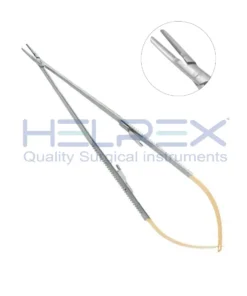
Plastic Surgery Needle Holders
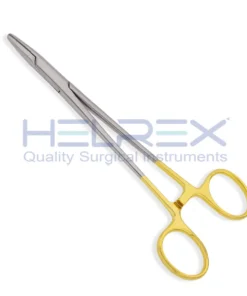
Plastic Surgery Needle Holders
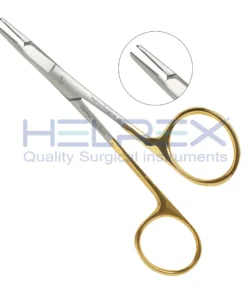
Plastic Surgery Needle Holders
Gillies Needle Holder 6 1/4″ (16cm) Tungsten Carbide Serrated Jaw
Plastic Surgery Needle Holders

Reviews
There are no reviews yet.