

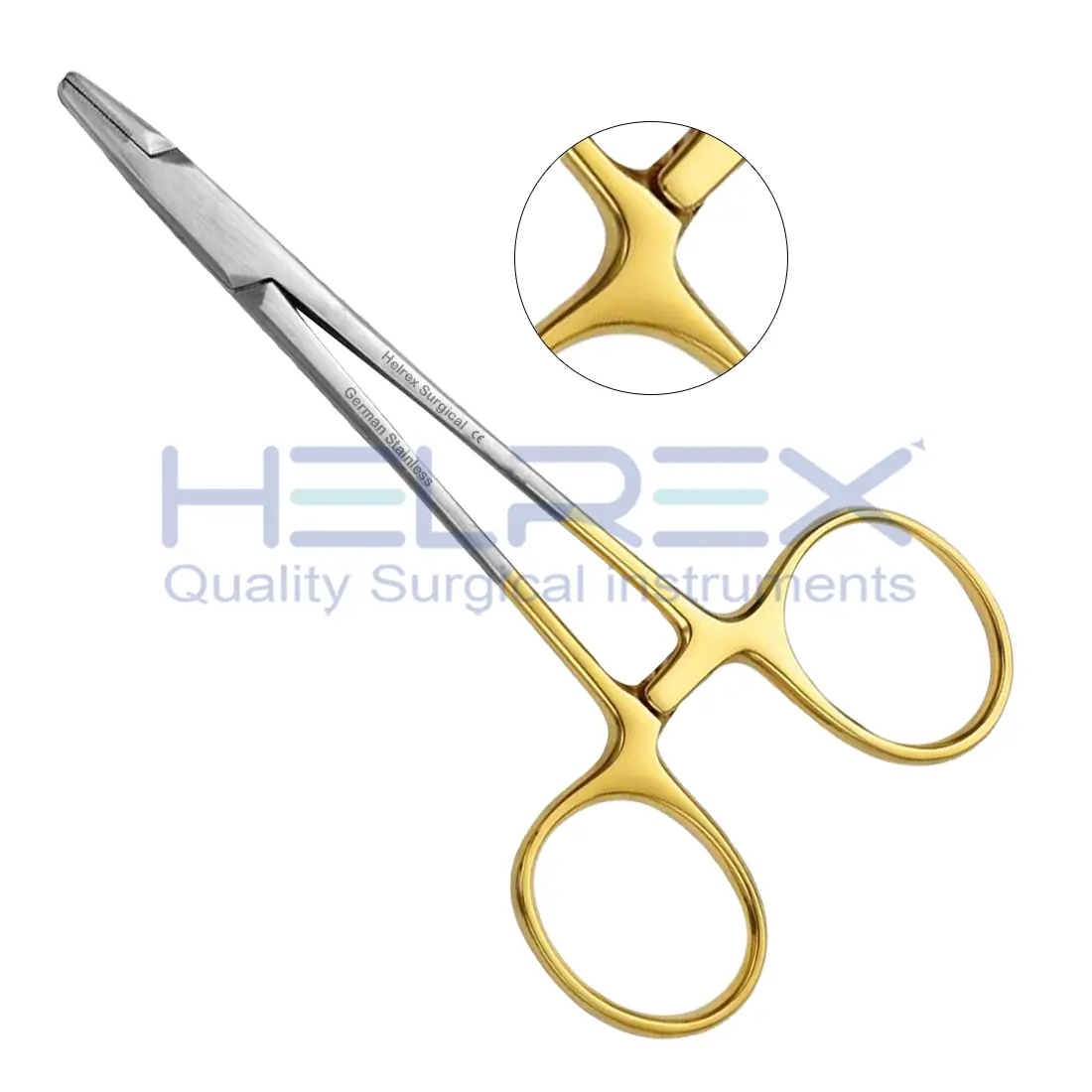
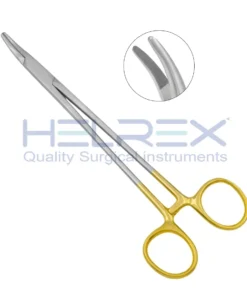
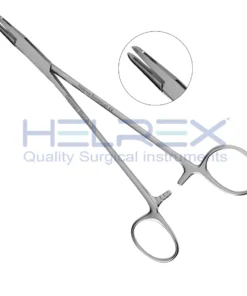
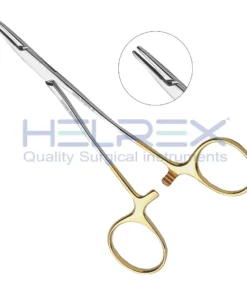
Derf Needle Holder Tungsten Carbide
Original price was: $35.00.$24.00Current price is: $24.00.
- Tungsten carbide inserts with precision-milled pyramid teeth.
- Handcrafted from premium German stainless steel
- Fully Reusable, Autoclavable / Sterilizable.
- Premium quality materials and craftsmanship.
- Lifetime Warranty.
Introduction of Derf Needle Holder – Tungsten Carbide
Most clinicians meet the Derf Needle Holder halfway through a case, when a thicker surgical needle refuses to sit still. Its short jaws and diminutive profile change that instantly, letting surgeons grip the needle at the center without wrestling standard instruments.
Manufacturing decides everything here. Ours is handcrafted from premium German steel, then fitted with tungsten carbide inserts whose pyramid-shaped teeth are precision-milled rather than stamped. That single difference explains why the business end stays identifiable after years of chemical sterilization, and remains fully autoclavable. Size dictates use. At 4.75″ — roughly 12.5 cm — this needle holder belongs in smaller surgical areas: ophthalmic procedures, pediatric procedures, and delicate suturing tasks where 6-0 sutures and 5-0 sutures demand precision control that longer surgical instruments simply cannot deliver.
The interlocking ratchet handle is where preference splits. Some clinicians prefer the lock engaged throughout; others release it constantly. Either way, the crosshatched surface gives a slip-resistant hold, and left handed surgeons report the same firm grasp—rare among tungsten carbide instruments offering genuine durability
Core Features
After years handling microsurgical instruments, what strikes me first about the Derf is its tip geometry. The smooth tungsten carbide jaws grip small needles without crushing them, while a shallow groove across the platform prevents adhesion and rotation mid-pass through tissue.
German stainless steel stock separates a dependable Derf from a disposable imitation. At 4-3/4 inch, the shorter length sits deeper in the palm, and that small size explains why smaller fields like eyelid and canthal repair feel easily controlled under loupes.
Surgeons ask about suture range before anything else. This pattern bites 4/0 sutures comfortably and still manages the smallest sutures used in ophthalmic surgical procedures. The gold ratcheted finger ring handles release cleanly, giving unparalleled control when holding needles at awkward angles.
Tungsten carbide construction costs more upfront, yet the functional longevity justifies it. Our staff track instruments that stay sharp past a decade of autoclaving. Properly manufactured jaws securely hold finer sutures, delivering consistent results and an extended service-life most surgical work genuinely demands.
Specification And Uses
Most buyers check length last; I check it first. At 5″, the Derf sits shorter than most drivers, and that compact geometry is what makes delicate jaws practical. Surgical grade stainless steel forms the body, while tungsten carbide teeth carry the actual gripping load.
Look at the serrated jaw pattern under magnification and the story changes. Fine serrations hold 4-0 through 6-0 sutures without flattening them, whereas coarse serrated jaws chew soft needles. Straight jaws dominate this design, and replaceable blade inserts keep worn tips from retiring the instrument.
Gold-plated handles aren’t decoration — they flag carbide inside, though I’ve watched residents ignore that code entirely. The ring finish gives a non-slip surface when gloves turn wet, and a seamless box lock joint keeps the action strong and long lasting across autoclave cycles.
Usage splits oddly: dental procedures claimed this design first, yet plastic surgery procedures adopted it for eyelid and digit work. In plastic procedures demanding micro-precision, a top-tier, durable Derf outperforms longer holders that fatigue the wrist within twenty minutes of continuous suturing.
| Weight | 0.14 kg |
|---|---|
| Please Select Length | 10cm, 12cm |
Be the first to review “Derf Needle Holder Tungsten Carbide”
- Helrex surgical instruments is a highly specialized process that requires attention to detail to ensure safety, sterility, and compliance with medical regulations. Each instrument should be carefully inspected for damage, wear, and proper functioning. Any defective items are discarded or repaired. Our instruments must be packed in poly bags packaging sterile packaging or according to Customers demand (Leather Case, Blister card, Display box etc.) Delivery time:- 6 working days via DHL/ FEDEX/ UPS/ TNT, 12working days via EMS. We must be shipped ASAP after payment is received in 5 working days or according to agreement.
Related products
Plastic Surgery Needle Holders
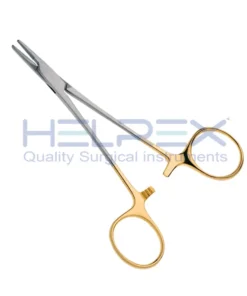
Plastic Surgery Needle Holders
Neivert Needle Holder Tungsten Carbide 13cm One Angled Ring Serrated Jaws
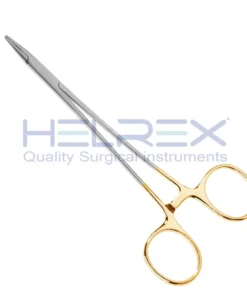
Plastic Surgery Needle Holders
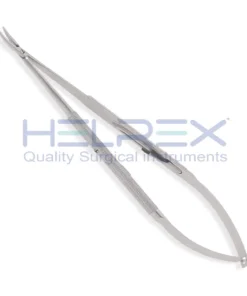
Plastic Surgery Needle Holders
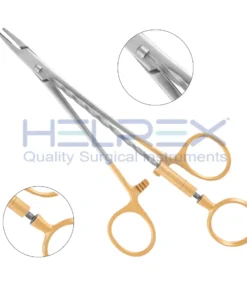
Plastic Surgery Needle Holders
Plastic Surgery Needle Holders
Plastic Surgery Needle Holders
Plastic Surgery Needle Holders

Reviews
There are no reviews yet.