

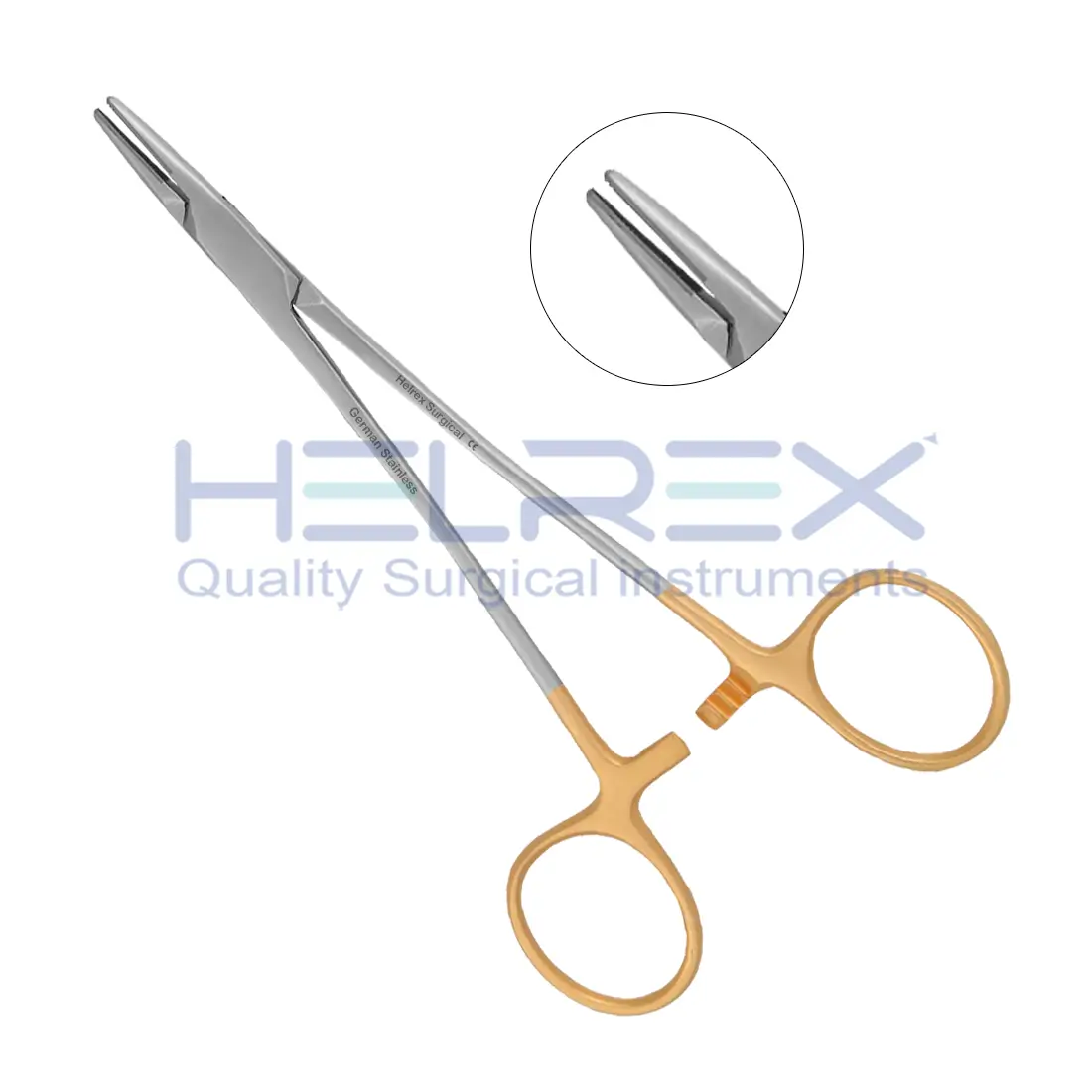
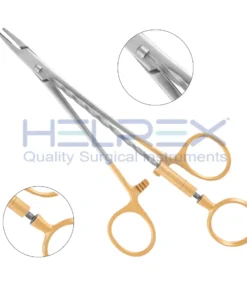
Crile Wood Needle Holder Tungsten Carbide
Original price was: $45.00.$28.00Current price is: $28.00.
- Tungsten carbide jaws for non-slip grip.
- Extra-long 20cm reach for deep fields.
- Fully Reusable, Autoclavable / Sterilizable.
- Premium quality materials and craftsmanship.
- Lifetime Warranty.
Introduction of Crile-Wood Needle Holder – Tungsten Carbide
Most surgeons meet the Crile-Wood Needle Holder long after they have already formed habits at the table. That sequence matters. A precision surgical instrument this familiar rarely gets examined honestly, yet its ratchet mechanism quietly decides whether suturing feels effortless or exhausting.
I have watched a hand-held manual device outlive three replacements simply because its jaws fitted with Tungsten Carbide refused to surrender. Surgical grade German stainless steel carries the frame; the hard material at the tip carries the workload. That division explains long-term resistance better than marketing does.
Ask anyone working confined areas and they will describe geometry, not strength. Slender jaws paired with fine tips let small needles behave predictably during delicate suturing tasks, while inner cross-serrations stop rotation. Minimal force, applied correctly, beats crushing pressure every single time in surgery.
Wound closure rewards patience, and this needle holder is built for it: handcrafted balance, satin finish cutting glare, finger ring handles sitting where fatigue collects. Exceptional control emerges from those small decisions, not from raw clamping power, across countless surgical procedures.
Core Features
Most surgeons judge a Crile-Wood by its jaw face first. The tungsten carbide inserts brazed into that face create a dependable non-slip crosshatched surface, and the fine serrated jaws bite without shredding suture. That secure grip is what separates a working holder from a frustrating one.
At 20.0 cm, this extra-long design answers a specific complaint: optimal surgical access in intricate areas where standard instruments crowd the field. The long shafts deliver maximum reach without forcing awkward wrist angles, while straight shafts keep the suture needle aligned with your intended entry point.
Watch someone grasp a suture needle mid-procedure and the anti-slip properties show instantly. You hold the needle, drive the needle through tissue, then reposition — no rotation, no slip. Gripping needles across suture size 2-0 to 4-0 stays consistent, which matters when accurate sutures are critical.
The gold handles signal TC Needle Holders, and that coding earns itself during complex pediatric surgery. Wear-resistant material resists the wear and tear of repeated manipulations, helping prolong the instrument life. A light weight, well-balanced frame reduces fatigue across long pediatric surgical procedures requiring precise suturing
Specifications and Uses
Most surgeons judge a Crile-Wood by its Tungsten Carbide jaw insert before anything else. The special groove cut into that insert gives maximum cutting strength for trimming, while cross serrated jaws hold suturing needles firmly without scoring or crushing them across a long closure.
Sizing matters more than catalogues suggest. Offered in a variety of lengths, the slender design clears deep cavities where bulkier instruments obstruct vision. A single serrated jaw pattern handles a wide range of needles, from fine vascular sizes upward, which is why theatres stock fewer holders overall.
In practice it acts as a clamp first: a secure hold while pushing the needle through soft tissue, then a strong grip for pulling the needle clear without dragging the attached suture. That reliability when manipulating needles is what produces stable sutures shift after shift.
| Weight | 0.14 kg |
|---|---|
| Please Select Length | 15cm, 18cm, 20cm, 23cm, 25cm, 30cm |
| Shape | Curved, Straight |
Be the first to review “Crile Wood Needle Holder Tungsten Carbide”
- Helrex surgical instruments is a highly specialized process that requires attention to detail to ensure safety, sterility, and compliance with medical regulations. Each instrument should be carefully inspected for damage, wear, and proper functioning. Any defective items are discarded or repaired. Our instruments must be packed in poly bags packaging sterile packaging or according to Customers demand (Leather Case, Blister card, Display box etc.) Delivery time:- 6 working days via DHL/ FEDEX/ UPS/ TNT, 12working days via EMS. We must be shipped ASAP after payment is received in 5 working days or according to agreement.
Related products
Plastic Surgery Needle Holders
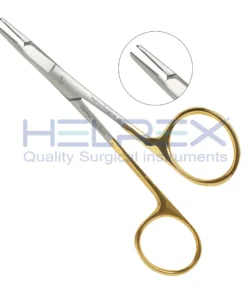
Plastic Surgery Needle Holders
Gillies Needle Holder 6 1/4″ (16cm) Tungsten Carbide Serrated Jaw
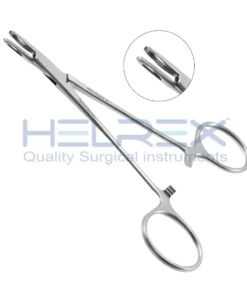
Plastic Surgery Needle Holders
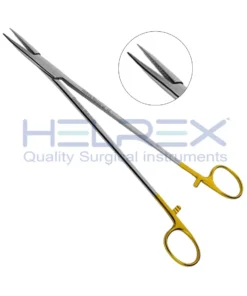
Plastic Surgery Needle Holders

Plastic Surgery Needle Holders
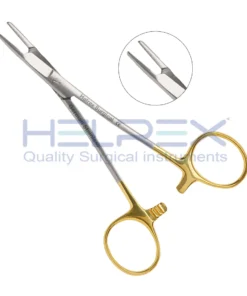
Plastic Surgery Needle Holders
Olsen Webster Needle Holder Tungsten Carbide 4 1/2″ (11.5cm)

Plastic Surgery Needle Holders
Plastic Surgery Needle Holders

Reviews
There are no reviews yet.