

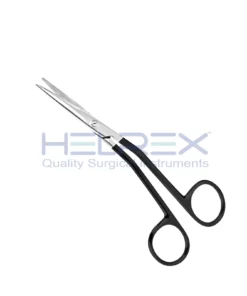
SuperCut Scissors
Original price was: $65.00.$46.00Current price is: $46.00.
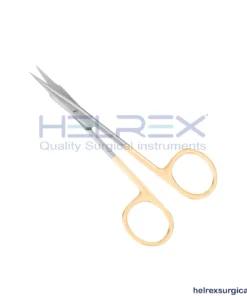
Hard-Line (TC) Scissors
Goldman Fox Serrated Hard-Line Scissors 5″ (12.5cm) Tungsten Carbide
Original price was: $35.00.$18.00Current price is: $18.00.
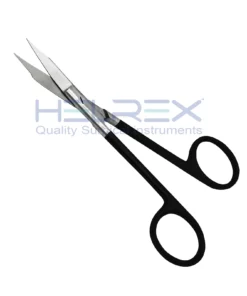
SuperCut Scissors
Original price was: $85.00.$74.00Current price is: $74.00.
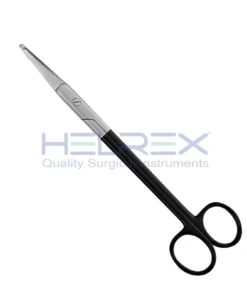
SuperCut Scissors
Gorney Delicate Supercut Serrated Scissors Curved, 8″ (20cm)
Original price was: $85.00.$74.00Current price is: $74.00.
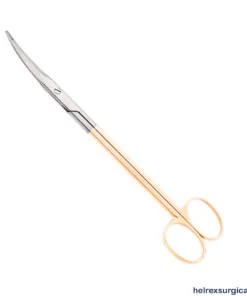
Hard-Line (TC) Scissors
Gorney Facelift Hard-Line Tungsten Carbide Serrated Scissors, 7-1/2″ (19cm) Angled
Original price was: $55.00.$45.00Current price is: $45.00.
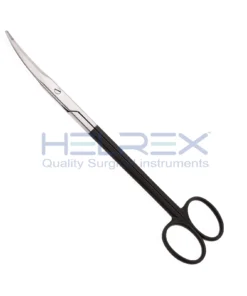
SuperCut Scissors
Original price was: $75.00.$65.00Current price is: $65.00.
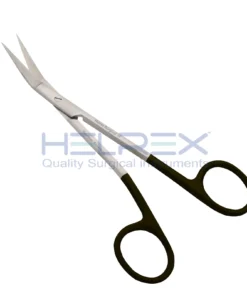
SuperCut Scissors
Gorney Swan Neck Supercut Serrated Scissors, 4-1/2″ (11.5cm) Angled
Original price was: $65.00.$44.00Current price is: $44.00.
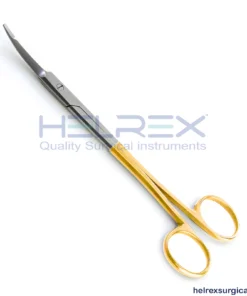
Hard-Line (TC) Scissors
Gorney-Freeman Facelift Hard-Line Serrated Tungsten Carbide Scissors 19cm
Original price was: $45.00.$26.00Current price is: $26.00.
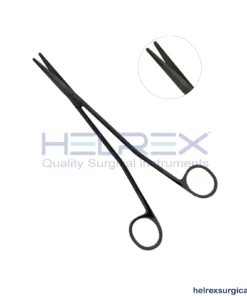
Ceramic Scissors
Original price was: $85.00.$74.00Current price is: $74.00.
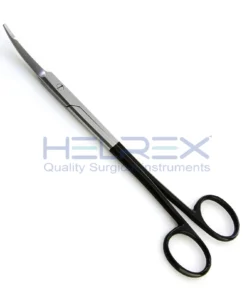
SuperCut Scissors
Original price was: $85.00.$74.00Current price is: $74.00.
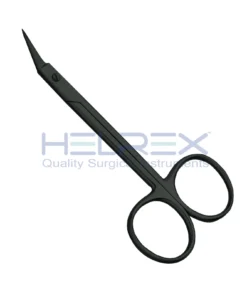
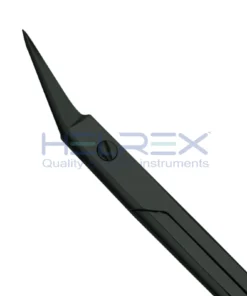
Ceramic Scissors
Gunter Nasal Serrated Ceramic-coated Scissors, 4-1/2″ (11.5cm)
Original price was: $40.00.$34.00Current price is: $34.00.
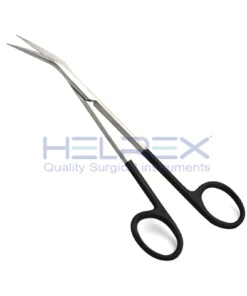
SuperCut Scissors
Price range: $16.00 through $24.00
Impeccable Quality Of Cosmetic Surgery Instruments
After two decades handling Plastic Surgery Instruments, I've found that real quality only reveals itself under pressure. Every piece we supply is manufactured from top-quality German stainless steel, built to endure high loads and constant chemical stress while keeping its precise edge intact. What surprises newcomers is how much engineering hides inside a seemingly simple construction. The characteristics that matter most aren't decorative; they're functional. A well-made instrument feels light in the hand yet delivers optimal performance, because durability and balance were prioritized over flash. Surgeons rarely think about assembly parts until something fails mid-procedure. That's why we engraved identification on each tool and pressure-test every joint. Instruments must stay compatible with modern surgical techniques, remaining easy to use even during long, demanding cosmetic operations where fatigue creeps in. Sterility separates the acceptable from the exceptional. Each instrument is designed to sterilize cleanly through repeated autoclave cycles, and that repeated cleansing never compromises its long life. The premium stainless material resists corrosion, so the tool remains dependable across hundreds of procedures without pitting. Meeting the requirements of modern surgery demands more than marketing claims. When a clinic needs dependable Plastic Surgery Tools that stay efficient and convenient through packed schedules, every detail counts. Properly prepared for surgery, these instruments simply perform reliably when precision matters most.Precision-Forged German Stainless Steel plastic surgery instruments
Handling a freshly forged scalpel handle tells you everything before the first incision. The grain of Premium German Stainless behaves differently than cheaper imports — denser, quieter under load. After years sourcing high-quality stainless steel, I trust the metal's memory over any marketing claim about High quality. Forging matters more than most buyers realize. Cast tools crack under torsion; forged ones flex and return. That distinction separates top-grade surgery instruments from disposable ones. The experienced surgeon feels it instantly — balance shifts toward the fingertips, giving control during the complicated moments that define reconstructive plastic surgery. Sourcing across Europe taught me geography lies. A polished finish hides porous alloy. I pressure-test every batch of cosmetic surgery instruments before listing, because patients never see the steel — only the results. An impeccable-quality instrument earns its price quietly, through thousands of uneventful successful surgeries. Specialized work demands specialized edges. Facial Surgery punishes weak tips; a Forehead Up Lift needs blades holding their geometry millimeter by millimeter. Pair forged steel with Endoscopic Instruments and the challenges shrink. The talented plastic surgeons I supply rarely discuss metallurgy — they just expect tools that never flinch. Here's the contrarian truth: safety rarely comes from technology. It comes from material honesty. Profound medical knowledge means nothing if the instrument betrays the hand mid-procedure. That's why high-quality instruments still dominate Plastic Surgery Equipment the expected results depend less on brilliance, more on trustworthy steel.Conclusion
After years supplying aesthetic medical clinics, I've learned the hardest part of plastic surgery isn't the surgery itself but the complexities behind every tray. Surgeons rarely see the difficulties that purchasing managers quietly solve before a single patient arrives in the room. Stock realities surprise newcomers. Premium new plastic surgery instruments are frequently made to order, so a waiting period of 1–4 weeks is normal across Asia, the USA, and the wider world. When something sits out of stock, example lists help clients plan smarter. The doctors I trust treat sourcing as non-negotiable requirements, not afterthoughts. Their high professionalism mirrors thousands of hours of practice and relentless ongoing professional development. An excellent professional knows that plastic surgeons' work depends on commonly used tools never failing mid-procedure. Demand often traces back to recognizable faces. Celebrities, popular actors, and models chase a new look, booking each appointment through individual consultants. Behind that glamour, Plastic Surgery stays technical craft, and my colleagues still measure worth by outcomes, never headlines. Ultimately, dependable services transform a successful surgery from aspiration into expectation. The right supply partner removes friction, steadies every operating room, and lets practitioners focus purely on patients — which, after all these years, remains the only metric I still respect or chase.Basic kinds of plastic surgery products List:
- Breast — Dissectors and Breast Elevators
- Breast Markers, Calipers, and Calipers
- Breast Spatulas and Tongue Spatulas
- Nasal Hooks, Thumb Hooks, and Rake Retractors
- Nasal Rasps and Nasal Chisels for Reconstructive Surgery
- Scissors for Rhytidectomy
- Style Wound Retractors for Mammoplasty (Breast Augmentation)
- Wound Hooks, Retractors, and Skin Hooks
- Endo Dissectors for Plastic Surgery: Precision and Gentle Preparation
- Maxillofacial Surgery: Precision Retractors for Oral and Maxillofacial Surgery (OMS)
- Nasal Specula in Rhinology: Precision and Efficiency in Diagnosis and Therapy