

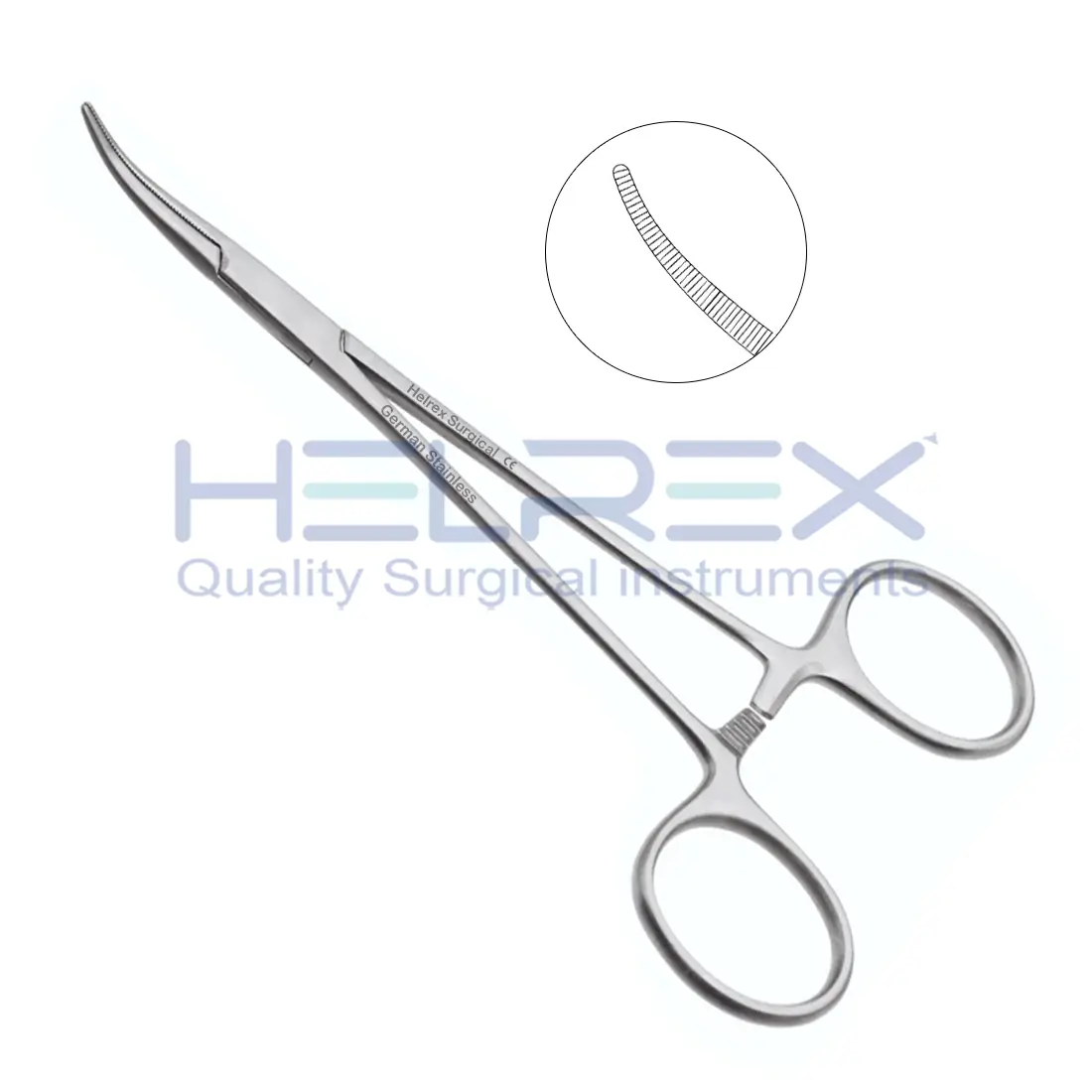
Crile Forceps 5-1/2″ (14cm)
Original price was: $65.00.$24.00Current price is: $24.00.
- Customize size available.
- Fully Reusable, Autoclavable / Sterilizable.
- Premium quality materials and craftsmanship.
- Lifetime Warranty.
Introduction of Crile Forceps
Collins tissue seizing forceps occupy a specific niche in surgery, built to grasp without crushing. The atraumatic design lets a surgeon hold tissue securely while the serrated jaws distribute clamping pressure evenly. This instrument favors control, keeping delicate structures intact during careful manipulation.
Across surgical specialties like ENT and orthopedics, its applications stretch wider than expected. Full serrations run the working length, granting a firm, non-slip grip on tough tissue. The tapered jaws slip into narrow spaces, then hold with quiet precision and dependable jaw pressure.
Offered non-sterile and fully reusable, each piece is milled from high-quality stainless steel for a strong yet lighter feel. Available straight or curved, the ring handle and ratcheted locking mechanism deliver secure clamping that resists accidental slippage throughout every operation.
Specifications
Ergonomic control defines this instrument. Fine serrations run along the jaws, meeting at precisely aligned opposing surfaces that deliver a firm yet atraumatic grip. Surgeons can secure small tissues without crushing them, holding delicate structures steady while pressure spreads evenly across the entire contact area throughout demanding procedures.
Reach matters just as much. The elongated profile of the shafts grants clean access to deep surgical sites and narrow passages where visibility drops sharply. A dependable ratchet mechanism locks the jaw at a chosen tension, keeping the hold constant even when the operator’s hands release briefly during extended interventions.
Handling stays intuitive from start to finish. Ergonomic finger rings guide measured hand pressure, giving this precise surgical instrument genuine flexibility during tissue separation. Whether lifting incision margins or steadying deep tissue beside the viscera, the balanced rings translate subtle finger movement into accurate, repeatable manipulation at the operation site.
Among hemostatic forceps used in general surgery, the Crile Artery Forcep stands out for its advantages: its principal use is to compress and block blood flow through arteries, veins, and other blood vessels, controlling bleeding without disturbing nearby nerves. The tapered design lets these surgical instruments perform artery manipulation and reliably clamp blood vessels, achieving dependable hemostasis during any surgical practice. Related tools broaden the range: the Coller-Crile artery forceps and compact 5 1/2” Crile artery clamps aid suture retention, while straight haemostatic forceps, curved haemostatic forceps, and toothless haemostatic forceps handle everything from shallow haemostasis to deeper haemostasis. Dental haemostatic forceps and the Spencer Wells Artery Forceps extend this utility further, and even on animal tissue these designs prove their worth.
| Specification: | Details: |
|---|---|
| Material | Premium Quality German Stainless Steel with Superior Craftsmanship. |
| Finish | Highly Dull-Polished for Aesthetic and Corrosion Resistance |
| Tests Performed | Boil Test, Performance Test, Shape Test |
| Packaging | Each Product Packed Individually |
| Sterilization | Fully Autoclavable and Reusable |
| Cleaning Method | Ultrasonic Cleaned |
| Steel Grade | High Grade Stainless Steel |
| Quality Control | All Products QC Passed |
| Weight | 0.14 kg |
|---|---|
| Shape | Curved, Straight |
Be the first to review “Crile Forceps 5-1/2″ (14cm)”
- Helrex surgical instruments is a highly specialized process that requires attention to detail to ensure safety, sterility, and compliance with medical regulations. Each instrument should be carefully inspected for damage, wear, and proper functioning. Any defective items are discarded or repaired. Our instruments must be packed in poly bags packaging sterile packaging or according to Customers demand (Leather Case, Blister card, Display box etc.) Delivery time:- 6 working days via DHL/ FEDEX/ UPS/ TNT, 12working days via EMS. We must be shipped ASAP after payment is received in 5 working days or according to agreement.
Related products
Plastic Surgery Ring Forceps
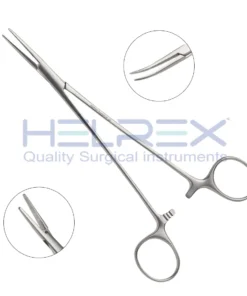
Plastic Surgery Ring Forceps
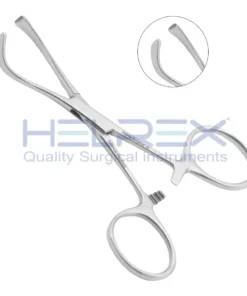
Plastic Surgery Ring Forceps
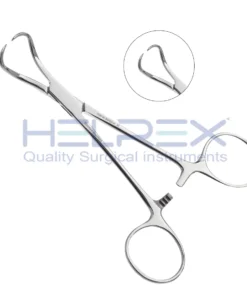
Plastic Surgery Ring Forceps
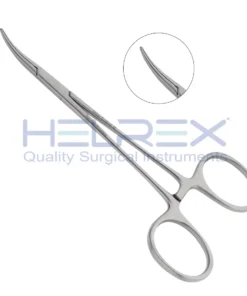
Plastic Surgery Ring Forceps
Plastic Surgery Ring Forceps
Plastic Surgery Ring Forceps
Plastic Surgery Ring Forceps

Reviews
There are no reviews yet.