

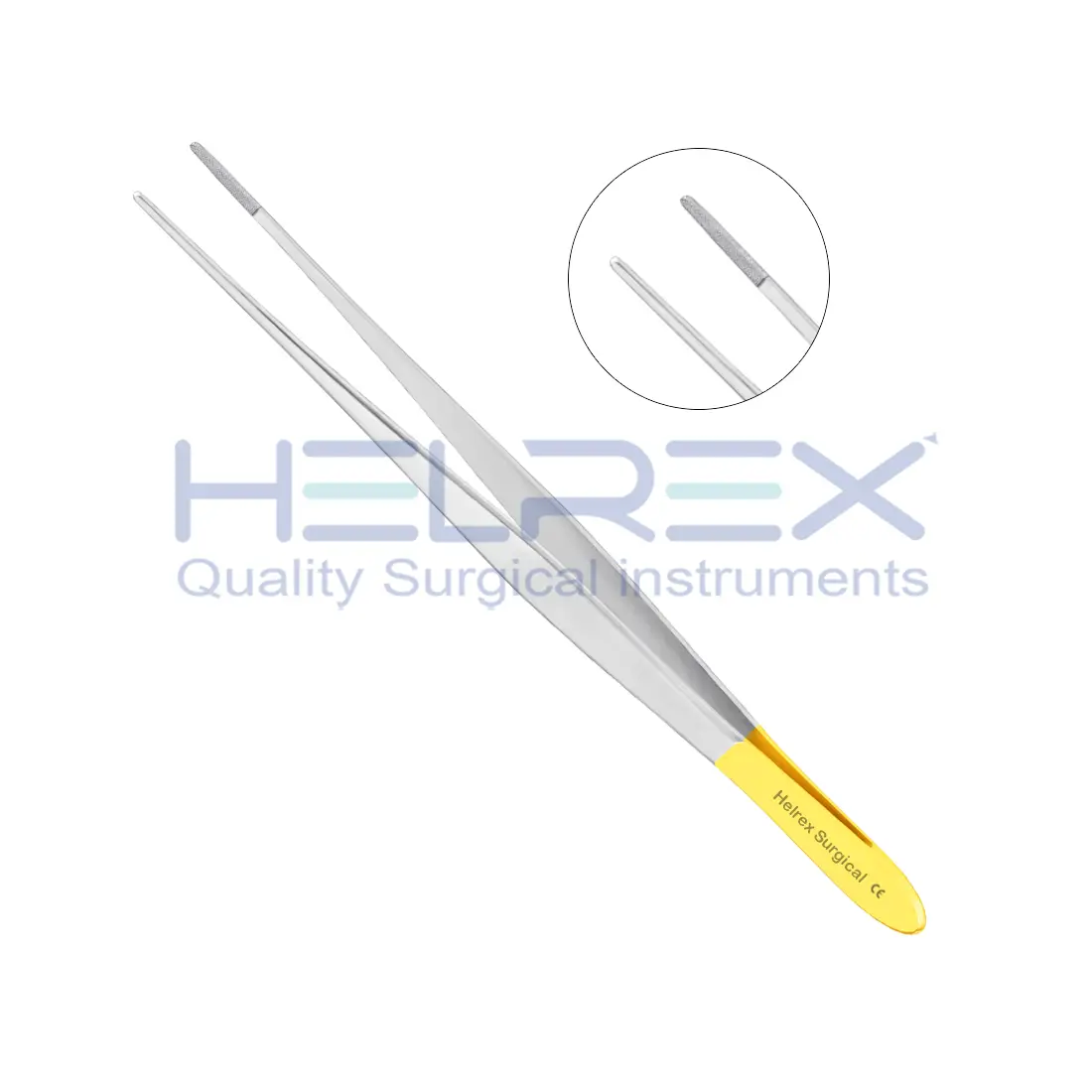
Cushing Dressing Thumb Forceps 17cm Cross Serrated, Tungsten Carbide
Original price was: $87.00.$55.00Current price is: $55.00.
- Cross-serrated tungsten carbide jaws ensure lasting grip.
- 17.0 cm length provides deep, controlled reach.
- Fully Reusable, Autoclavable / Sterilizable.
- Premium quality materials and craftsmanship.
Introduction of Cushing Dressing Thumb Forceps 17.0 cm Cross Serrated TC
Most grip failures in neurosurgery trace back to the instrument, not the hand. That realization shaped how surgeons came to value the Cushing pattern. These thumb forceps answer a specific problem: holding delicate tissue firmly without leaving damage behind. Their design reflects decades of refinement inside cranial operating rooms.
Early cranial surgeons often relied on bulky general instruments. Harvey Cushing pushed for slimmer dissecting forceps suited to confined, fragile anatomy. Today’s version measures 17.0 cm, or 6.75 inches, giving reach without sacrificing control. That length keeps fingers clear of the visual field during deep work.
What separates this model is its cross-serrated jaws fitted with Tungsten Carbide. Standard steel serrations dull over repeated sterilization cycles. Carbide holds its pattern far longer, so grip consistency survives years of use. For clinics weighing replacement costs, that durability often matters more than the purchase price itself.
Features of Cushing Dressing Thumb Forceps
Most surgeons assume a firmer bite means better control, yet neurosurgical work proves otherwise. An overly harsh grasp can crush fragile tissue before damage becomes visible. This Cushing pattern responds with cross-cut delicate serrations. They let users securely grasp membranes with minimal pressure.
Historically, dressing forceps wore down at the jaws long before the handles showed age. TC inserts changed that. Tungsten carbide holds its cross serration pattern through repeated sterilization cycles. The serrated tips stay aligned, and the gold handles make identification quick on a crowded instrument tray.
At 17.0 cm, the straight profile reaches deep without blocking sightlines. Narrow tips suit small surgical areas where every millimeter counts. A light weight build reduces hand fatigue during lengthy cases. Many teams treat it as brain forceps, and the stop peg keeps jaws from scissoring under pressure.
Some operating rooms stock a 17.5 cm medium weight version alongside this one. That option adds heft for retracting denser layers. The 17.0 cm pattern, however, favors finesse over force. Surgeons who switch between both often notice sharper feedback from the lighter design during delicate dissection near vessels.
| Specification: | Details: |
|---|---|
| Material | Premium Quality German Stainless Steel with Superior Craftsmanship. |
| Finish | Highly Dull-Polished for Aesthetic and Corrosion Resistance |
| Tests Performed | Boil Test, Performance Test, Shape Test |
| Packaging | Each Product Packed Individually |
| Sterilization | Fully Autoclavable and Reusable |
| Cleaning Method | Ultrasonic Cleaned |
| Steel Grade | High Grade Stainless Steel |
| Quality Control | All Products QC Passed |
| Weight | 0.14 kg |
|---|
Be the first to review “Cushing Dressing Thumb Forceps 17cm Cross Serrated, Tungsten Carbide”
- Helrex surgical instruments is a highly specialized process that requires attention to detail to ensure safety, sterility, and compliance with medical regulations. Each instrument should be carefully inspected for damage, wear, and proper functioning. Any defective items are discarded or repaired. Our instruments must be packed in poly bags packaging sterile packaging or according to Customers demand (Leather Case, Blister card, Display box etc.) Delivery time:- 6 working days via DHL/ FEDEX/ UPS/ TNT, 12working days via EMS. We must be shipped ASAP after payment is received in 5 working days or according to agreement.
Related products
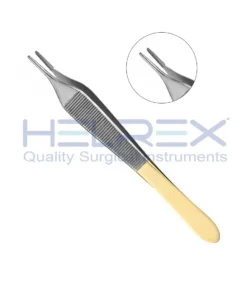
Thumb Forceps
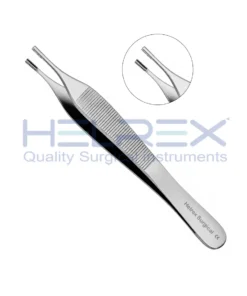
Thumb Forceps
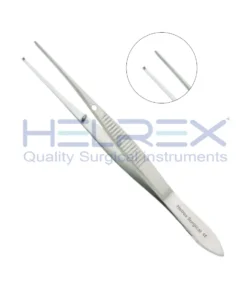
Thumb Forceps
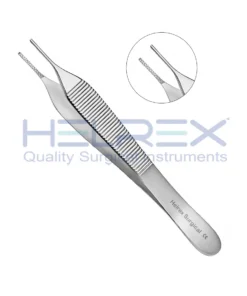
Thumb Forceps
Thumb Forceps

Thumb Forceps

Reviews
There are no reviews yet.