




U.S. Army retractor, double ended (21.0 cm) pair
Original price was: $83.00.$45.00Current price is: $45.00.
- Double-ended design with large and small blades.
- Surgical-grade stainless steel holds shape under load.
- Fully Reusable, Autoclavable / Sterilizable.
- Premium quality materials and craftsmanship.
- Lifetime Warranty.
Introduction of U.S. Army retractor, double ended (21.0 cm) pair
The U.S. Army Retractor, also called the Army-Navy Retractor, remains a trusted clinical standard among specialized handheld instruments. Surgeons across disciplines rely on it for reliable, multi-purpose retraction throughout demanding surgical procedures, where consistent, dependable performance matters far more than intricate complexity.
Its enduring value lies in wound exposure — steadily holding back edges so the working area stays open and clearly visible. Whether in orthopedic surgery or general surgery, this essential component earns its place through everyday dependability rather than flashy innovation.
Generations of operating rooms have kept it close at hand for very good reason. The instrument’s job is simple: retract cleanly, then step out of the way. That quiet reliability across countless applications explains why this humble tool never fell out of favor.
Exculsive Features
What sets this instrument apart is its double-ended design, where a larger blade and smaller blade sit on each end. This wide-set configuration lets surgeons switch grip instantly, keeping the surgical field open without reaching for a second tool mid-procedure.
Meticulously engineered from surgical-grade stainless steel, the retractor holds its shaped contour under load. Titanium and insulated versions widen the choice, while the broad blade geometry was optimized to spread pressure evenly and resist slippage against dense, uncooperative tissue during longer cases.
In practice, the payoff is controlled, stable exposure throughout. Its dual-blade reach often replaces two separate instruments in a single pass, delivering reliable tissue retraction with minimal trauma while helping improve visibility and hold precision exactly where the operating surgeon needs it most.
Sold as a set of two, this pair — the U.S. Army Retractor 625 Wide Set, a double-ended instrument and mechanical necessity — helps reposition and expose tissue across small, shallow incisions of varying sizes. It works to retract incisions through skin, fat, muscle, soft tissues and larger muscle masses in knee arthroplasty, orthopedic trauma, deep-site general surgery, dermatology, orthopedics and minor emergency procedures, its blade, length and mechanical build measuring 8.5″ (215mm), 8 ¼” (21 cm), with 38 mm x 22 mm and 41 mm x 25 mm geometry.
| Weight | 0.14 kg |
|---|
Be the first to review “U.S. Army retractor, double ended (21.0 cm) pair”
- Helrex surgical instruments is a highly specialized process that requires attention to detail to ensure safety, sterility, and compliance with medical regulations. Each instrument should be carefully inspected for damage, wear, and proper functioning. Any defective items are discarded or repaired. Our instruments must be packed in poly bags packaging sterile packaging or according to Customers demand (Leather Case, Blister card, Display box etc.) Delivery time:- 6 working days via DHL/ FEDEX/ UPS/ TNT, 12working days via EMS. We must be shipped ASAP after payment is received in 5 working days or according to agreement.
Tags: Plastic Surgery Retractors
Latest Insights
Stay updated with the latest trends and guides related to this product.
View All Blogs
What to Check Before Ordering Surgical Instruments Online
A clear instrument order starts with a detailed product list. Whether you are…
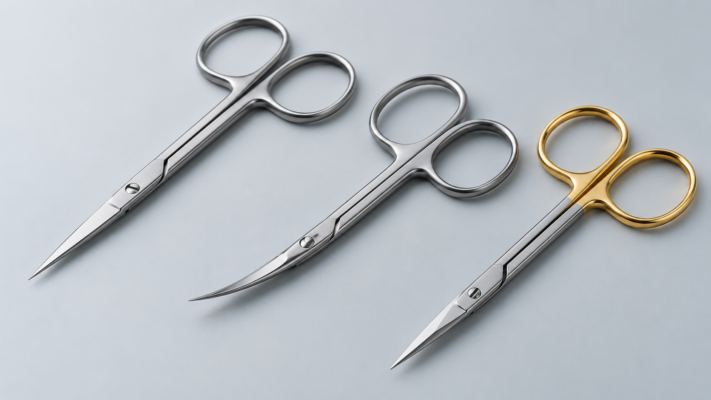
Exploring the Surgical Scissors Collection at Helrex
Surgical scissors can look similar in photographs while differing in their listed specifications.…

Liposuction Cannulas: Building a Clear Catalogue Enquiry
A well-prepared cannula enquiry helps a supplier understand exactly which catalogue item you…
Related products

Plastic Surgery Retractors
Plastic Surgery Retractors

Plastic Surgery Retractors

Plastic Surgery Retractors

Plastic Surgery Retractors

Plastic Surgery Retractors

Plastic Surgery Retractors

Plastic Surgery Retractors

Reviews
There are no reviews yet.