

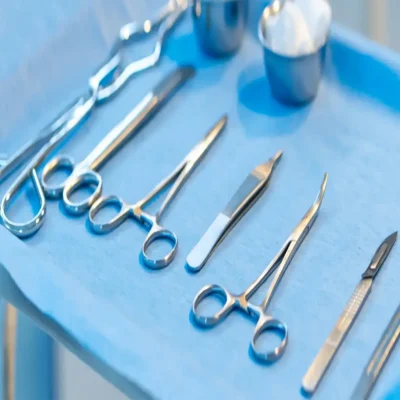


Holtzheimer retractor self retaining 4 teeth
Original price was: $57.00.$28.00Current price is: $28.00.
- Self-retaining cross-action lock holds tissue hands-free.
- Four sharp curved prongs grip delicate structures.
- Fully Reusable, Autoclavable / Sterilizable.
- Premium quality materials and craftsmanship.
- Lifetime Warranty.
Introduction of Holtzheimer retractor self retaining 4 teeth
Few tools earn the trust that clinicians place in the Holzheimer Retractor. This self-retaining instrument grips and holds delicate structures aside, delivering hands-free retraction so practitioners keep both hands working. Reliability, not novelty, defines its lasting reputation across countless operating rooms.
What sets the design apart is its integrated locking mechanism. Once positioned, the prongs stay held open without manual assistance, maintaining consistent wound exposure throughout a procedure. This mechanical hold removes the need for a second pair of hands steadying the field.
Surgeons reach for it during soft tissue work where steady access matters most. Whether managing a surgical site or supporting careful wound management, the Holzheimer design keeps edges apart. Its versatility across varied cases explains why it remains a quiet clinical mainstay.
Exculsive Features
What sets this Heiss Retractor apart is its cross-action mechanism, engineered so the stainless steel body stays self-retaining once positioned. The ratchet mechanism holds tension without a hand, turning it into a specialized, clinical standard tool built for demanding procedures.
Look closely at the working end and the interlocking pronged blades reveal the design intent. Sharp prongs that curve outward grip like tiny claws, while the cross-action handle delivers a firm grip. Some variants carry 4×4 prongs; others keep it tweezers-like and minimal.
Durability is where the autoclavable construction earns its keep, surviving repeated cycles across long-term use. At roughly 4 inches in length, the compact frame maintains a stable operative field. Its locking mechanism stays stable under pressure, holding blunt prongs exactly where surgeons set them.
The Heiss Cross Action Retractor, a surgical instrument for ophthalmology operations, veterinary and minor surgery, uses two prongs to hold back tissue—enabling manual retraction, tissue separation, unobstructed access, unobstructed line of sight, wound exposure, and retraction. It holds small incisions, small-to-medium incisions, a shallow incision, any type of incision at superficial surgical sites, each incision balancing sterilization, mechanical necessity, and delicate soft tissue procedures.
| Weight | 0.14 kg |
|---|---|
| Teeth | 10.0 cm, blunt, curved, 10.0 cm, blunt, straight, 10.0 cm, sharp, curved, 10.0 cm, sharp, straight |
Be the first to review “Holtzheimer retractor self retaining 4 teeth”
- Helrex surgical instruments is a highly specialized process that requires attention to detail to ensure safety, sterility, and compliance with medical regulations. Each instrument should be carefully inspected for damage, wear, and proper functioning. Any defective items are discarded or repaired. Our instruments must be packed in poly bags packaging sterile packaging or according to Customers demand (Leather Case, Blister card, Display box etc.) Delivery time:- 6 working days via DHL/ FEDEX/ UPS/ TNT, 12working days via EMS. We must be shipped ASAP after payment is received in 5 working days or according to agreement.
Tags: Plastic Surgery Retractors
Latest Insights
Stay updated with the latest trends and guides related to this product.
View All Blogs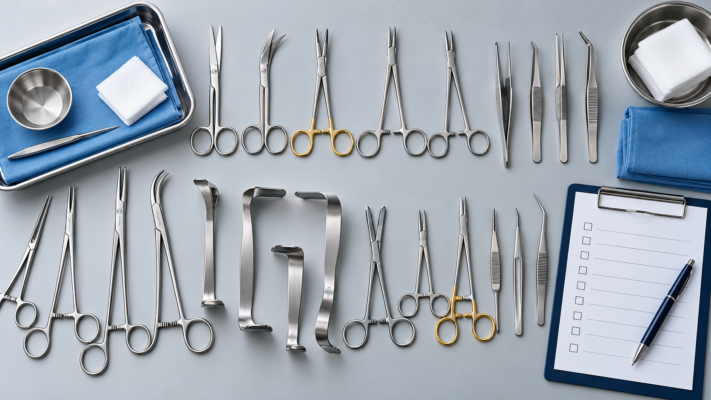
What to Check Before Ordering Surgical Instruments Online
A clear instrument order starts with a detailed product list. Whether you are…
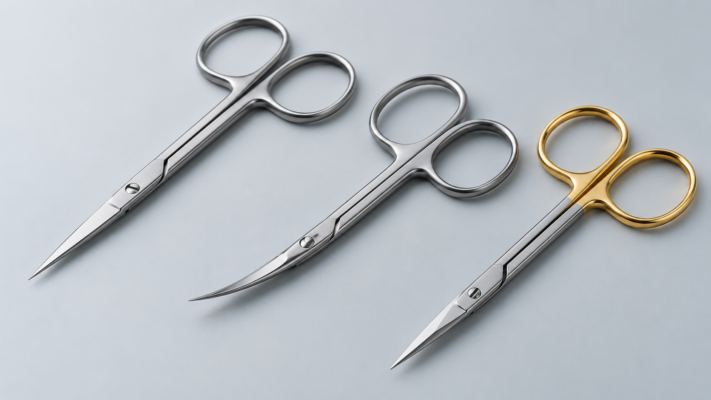
Exploring the Surgical Scissors Collection at Helrex
Surgical scissors can look similar in photographs while differing in their listed specifications.…

Liposuction Cannulas: Building a Clear Catalogue Enquiry
A well-prepared cannula enquiry helps a supplier understand exactly which catalogue item you…
Related products

Plastic Surgery Retractors
Aston Submental fiber optics Retractor – 5-1/4″ (13.5 cm) Handle

Plastic Surgery Retractors
Ferreira retractor face lift with fberoptic 11.0 cm x 2.2 cm

Plastic Surgery Retractors

Plastic Surgery Retractors

Plastic Surgery Retractors

Plastic Surgery Retractors

Plastic Surgery Retractors

Plastic Surgery Retractors

Reviews
There are no reviews yet.