



Ristow Osteotome Stainless Steel 8-inch (20 cm) longer Blade Curved Guarded
Original price was: $65.00.$42.00Current price is: $42.00.
- German-crafted stainless steel osteotome for precision.
- Guarded single cutting edge protects tissue.
- Fully Reusable, Autoclavable / Sterilizable.
- Premium quality materials and craftsmanship.
- Lifetime Warranty.
Introduction of Ristow Osteotome Stainless Steel 8-inch (20 cm)
Crafted in Germany, the Ristow osteotome arrives as a precision surgical instrument shaped from high-quality stainless steel. Whenever a specific surgical need calls for bone accuracy, a surgeon reaches for this robust instrument, trusting its build across countless demanding cases within the operating theatre.
Within orthopedic surgeries, this commonly used tool handles targeted bone manipulation with a steadiness that separates it from cruder alternatives. Its reputation grew through orthopedic procedures where controlled cutting, rather than force, decides whether delicate structures survive the intervention intact.
A single guarded cutting edge defines its character, letting the blade advance while shielding surrounding tissue from harm. This emphasis on safety matters most inside demanding surgical environments, where a moment of imprecision could turn routine dissection into a serious complication for the patient.
Supplied non-sterile and fully reusable, it fits smoothly into repeated clinical use once processed correctly. Surgeons value its precise access to narrow anatomy alongside consistently efficient performance, qualities that explain why this design keeps earning a place across specialised bone-focused operating rooms today.
Key Uses of Ristow Osteotome 20 cm
Surgeons reach for this instrument during lateral osteotomies, where controlled bone cuts shape the bridge. Within any nasal reconstructive procedure, its precision guides outcomes, letting the practitioner separate delicate structures cleanly while avoiding the collateral injury that so often compromises healing.
Advancement happens through gentle mallet tapping, driving the edge along a low-to-high path through bone. The curved right design matters here — that deliberate curvature of the blade follows the anatomy, tracking natural contours rather than forcing a straight, unforgiving line.
Directional versatility lets surgeons choose left or right approaches depending on which nasal wall demands attention. Careful maneuvering keeps the working tip predictable, and the built-in guard limits depth, shielding soft structures from unintended tissue damage during those critical seconds near vessels.
Across prolonged procedures, sustained control determines success, and a stable grip prevents the slippage that ruins fine bone work. Reducing hand fatigue keeps the surgeon’s touch steady late into an operation, preserving the accuracy and consistency each osteotomy genuinely requires.
| Weight | 0.14 kg |
|---|---|
| Blades | Left, Right |
Be the first to review “Ristow Osteotome Stainless Steel 8-inch (20 cm) longer Blade Curved Guarded”
- Helrex surgical instruments is a highly specialized process that requires attention to detail to ensure safety, sterility, and compliance with medical regulations. Each instrument should be carefully inspected for damage, wear, and proper functioning. Any defective items are discarded or repaired. Our instruments must be packed in poly bags packaging sterile packaging or according to Customers demand (Leather Case, Blister card, Display box etc.) Delivery time:- 6 working days via DHL/ FEDEX/ UPS/ TNT, 12working days via EMS. We must be shipped ASAP after payment is received in 5 working days or according to agreement.
Tags: Plastic Surgery Osteotomes
Latest Insights
Stay updated with the latest trends and guides related to this product.
View All Blogs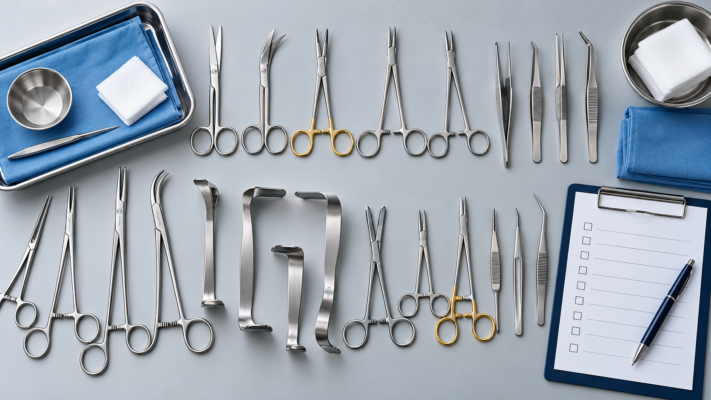
What to Check Before Ordering Surgical Instruments Online
A clear instrument order starts with a detailed product list. Whether you are…
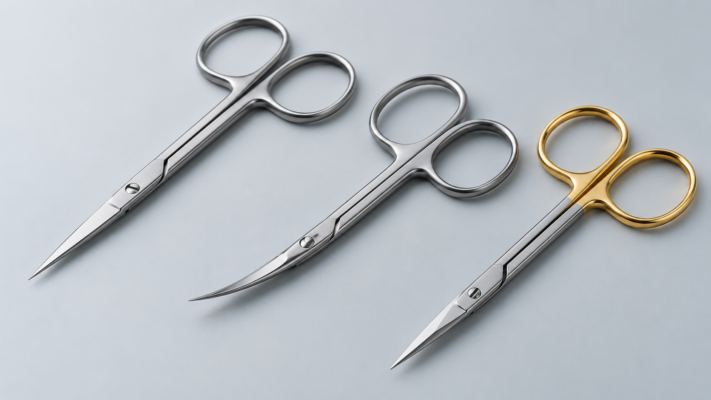
Exploring the Surgical Scissors Collection at Helrex
Surgical scissors can look similar in photographs while differing in their listed specifications.…
Liposuction Cannulas: Building a Clear Catalogue Enquiry
A well-prepared cannula enquiry helps a supplier understand exactly which catalogue item you…
Related products

Plastic Surgery Osteotomes

Plastic Surgery Osteotomes

Plastic Surgery Osteotomes

Plastic Surgery Osteotomes

Plastic Surgery Osteotomes
Tebbetts Lateral Guarded Osteotome, Curved Stainless steel 8″ (20cm)

Plastic Surgery Osteotomes

Plastic Surgery Osteotomes

Plastic Surgery Osteotomes

Reviews
There are no reviews yet.