

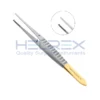
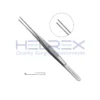
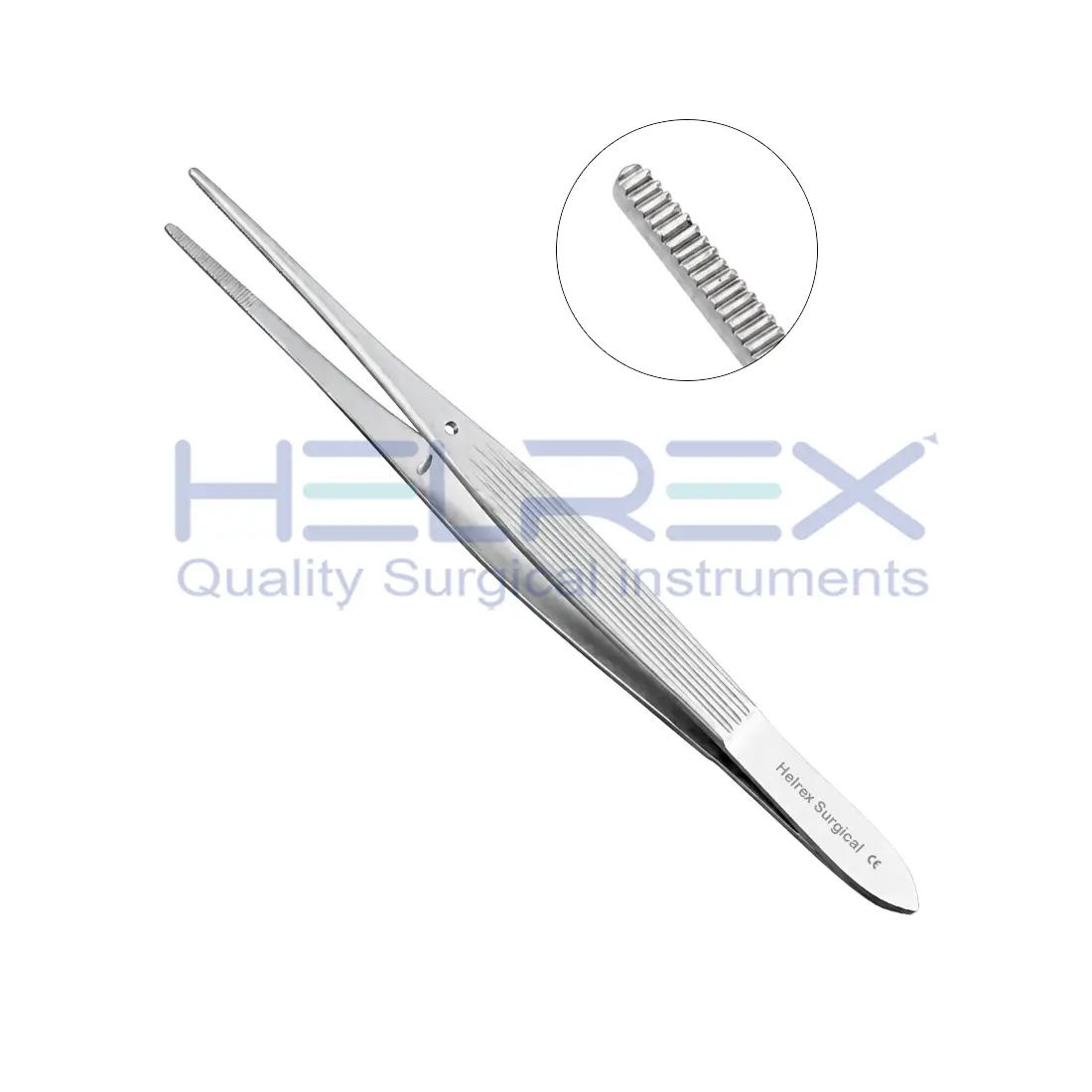
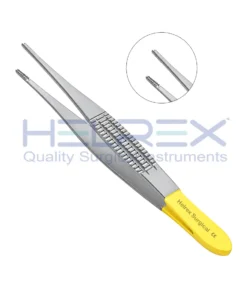
McIndoe Dissecting Forceps 15cm, Serrated
Original price was: $28.00.$12.00Current price is: $12.00.
- Balanced 15.0 cm length for precise handling.
- Serrated tips grip tissue without crushing it.
- Fully Reusable, Autoclavable / Sterilizable.
- Premium quality materials and craftsmanship.
Introduction of McIndoe Dissecting Forceps 15.0 cm
Surgeons rarely notice a good pair of forceps until one slips. That quiet reliability is exactly what the McIndoe Dissecting Forceps offers. Measuring 15.0 cm, this premium surgical instrument feels balanced in the hand. It suits close work without limiting deeper access.
Sir Archibald McIndoe refined reconstructive techniques during the Second World War, and this pattern still carries his name. It is predominantly designed for grasping, holding, and manipulating delicate tissues. Its serrated surface secures soft structures without crushing them, which experienced hands appreciate.
In the operating room, tissue trauma often begins with poor instrument choice rather than poor technique. These forceps deliver the necessary precision across varied surgical procedures, keeping tension controlled and visibility clear. That makes them an ideal first reach for careful dissection and gentle retraction.
Uses of McIndoe Dissecting Forceps
Most surgeons judge a dissecting forceps by how firmly it holds, yet this instrument earns its place by restraint. It grasps skin edges and fascia without crushing them. That gentle yet secure grip makes handling of delicate tissue predictable, especially when closure quality decides the final scar.
In plastic surgery, the 15.0 cm length reaches undermined flaps while keeping the hand clear of the field. Maxillofacial surgery benefits similarly inside the oral cavity. There, the narrow shaft slips between retractors. Its serrations hold mucosa steady during suturing, giving the operator maximum control in cramped spaces.
Ophthalmic procedures push the demand further, involving eyelid and orbital work where millimetres matter. Here, the fine tips pick up thin conjunctiva or lid skin with precision. The instrument manipulates grafts and sutures with ease, letting surgeons reposition tissue without tearing it or losing their working angle.
Unlike pliers, this forceps relies on a narrow-profile shaft and fine profiled tip rather than brute leverage. Its serrated carbide jaw grips slippery tissue firmly, while a smooth carbide jaw version suits suture handling. A stabilizing pin keeps each carbide jaw aligned under repeated closing pressure.
| Weight | 0.14 kg |
|---|
Be the first to review “McIndoe Dissecting Forceps 15cm, Serrated”
- Helrex surgical instruments is a highly specialized process that requires attention to detail to ensure safety, sterility, and compliance with medical regulations. Each instrument should be carefully inspected for damage, wear, and proper functioning. Any defective items are discarded or repaired. Our instruments must be packed in poly bags packaging sterile packaging or according to Customers demand (Leather Case, Blister card, Display box etc.) Delivery time:- 6 working days via DHL/ FEDEX/ UPS/ TNT, 12working days via EMS. We must be shipped ASAP after payment is received in 5 working days or according to agreement.
Related products
Thumb Forceps
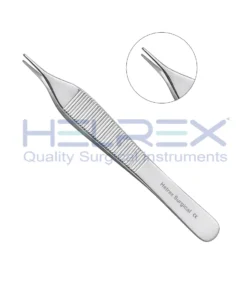
Thumb Forceps
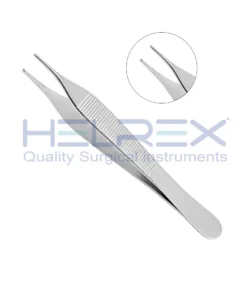
Thumb Forceps
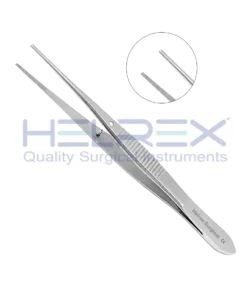
Thumb Forceps
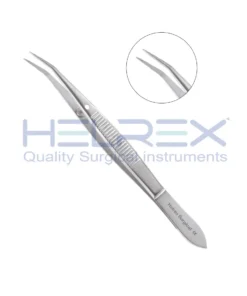
Thumb Forceps
Thumb Forceps
Thumb Forceps

Thumb Forceps

Reviews
There are no reviews yet.