



Woodson Double-Ended Elevator 18 cm
Original price was: $55.00.$25.00Current price is: $25.00.
- Double-ended design for versatile tissue elevation.
- Premium stainless steel ensures lasting durability.
- Fully Reusable, Autoclavable / Sterilizable.
- Premium quality materials and craftsmanship.
- Lifetime Warranty.
Introduction of Woodson Double-Ended Elevator
The Woodson Elevator is a compact hand-held instrument relied upon across countless dental procedures. Purposeful in build, this tool gives surgeons steady control during tissue manipulation, which explains why it stays among the most frequently used items on any operating tray.
Classified as a periosteal elevator, its design suits lifting and reflecting soft coverings away from underlying bone. Clinicians also lean on it for retracting nearby structures, letting each instrument movement stay controlled and precise while working through otherwise routine surgical procedures at the chairside.
Where careful access truly matters, this elevator proves its worth, easing contact with the tissue that surrounds sensitive bony sites. That dependable reliability is precisely why the Woodson Periosteal Elevator continues earning a permanent spot within nearly every oral surgery toolkit today.
Key Uses of Woodson Elevator
Across oral and periodontal work, the Woodson Double-Ended Elevator proves an ideal tool for lifting mucoperiosteum away from bone. Surgeons apply it throughout dissection procedures, separating flaps with steady control so underlying structures stay protected during the initial exposure phase of treatment.
Its versatility extends to delicate tissue elevation, where minimal trauma decides outcomes. Practitioners handle delicate tissue near margins carefully, performing clean division of attachments. The same instrument suits broad tissue elevation as well, adapting to soft membranes without tearing or unnecessary crushing of the field.
Reach becomes decisive in confined operative sites. The elevator navigates difficult-to-reach areas where bulkier instruments fail, then transitions smoothly to flat areas for even lifting. Clinicians also depend on it for routine dissection tasks, making broader dissection predictable across varied anatomy and case complexity.
The instrument’s surgical advantages stem from its double-ended design, offering clear visualization throughout every stage of the procedure. Its double-sided profile pairs a sharp, pointed end with a rounded end, while the larger rounded end aids retraction. Available straight, angled, or straight/angled, plus sharp/angled variants, this double-ended, double-sided tool ensures dependable visualization.
| Weight | 0.14 kg |
|---|
Be the first to review “Woodson Double-Ended Elevator 18 cm”
- Helrex surgical instruments is a highly specialized process that requires attention to detail to ensure safety, sterility, and compliance with medical regulations. Each instrument should be carefully inspected for damage, wear, and proper functioning. Any defective items are discarded or repaired. Our instruments must be packed in poly bags packaging sterile packaging or according to Customers demand (Leather Case, Blister card, Display box etc.) Delivery time:- 6 working days via DHL/ FEDEX/ UPS/ TNT, 12working days via EMS. We must be shipped ASAP after payment is received in 5 working days or according to agreement.
Tags: Plastic surgery Elevators
Latest Insights
Stay updated with the latest trends and guides related to this product.
View All Blogs
What to Check Before Ordering Surgical Instruments Online
A clear instrument order starts with a detailed product list. Whether you are…
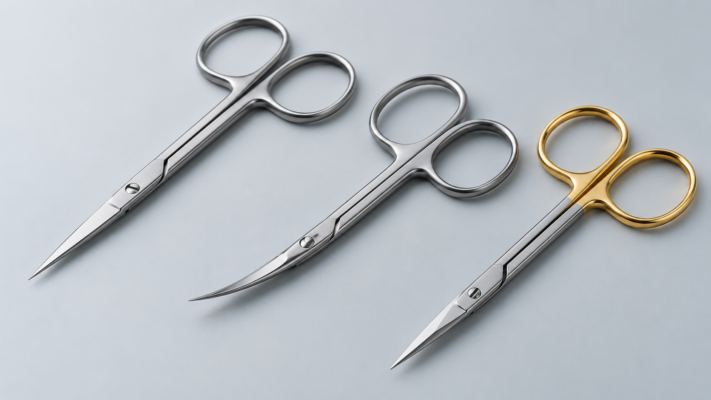
Exploring the Surgical Scissors Collection at Helrex
Surgical scissors can look similar in photographs while differing in their listed specifications.…
Liposuction Cannulas: Building a Clear Catalogue Enquiry
A well-prepared cannula enquiry helps a supplier understand exactly which catalogue item you…
Related products


Elevators

Elevators

Elevators


Reviews
There are no reviews yet.