

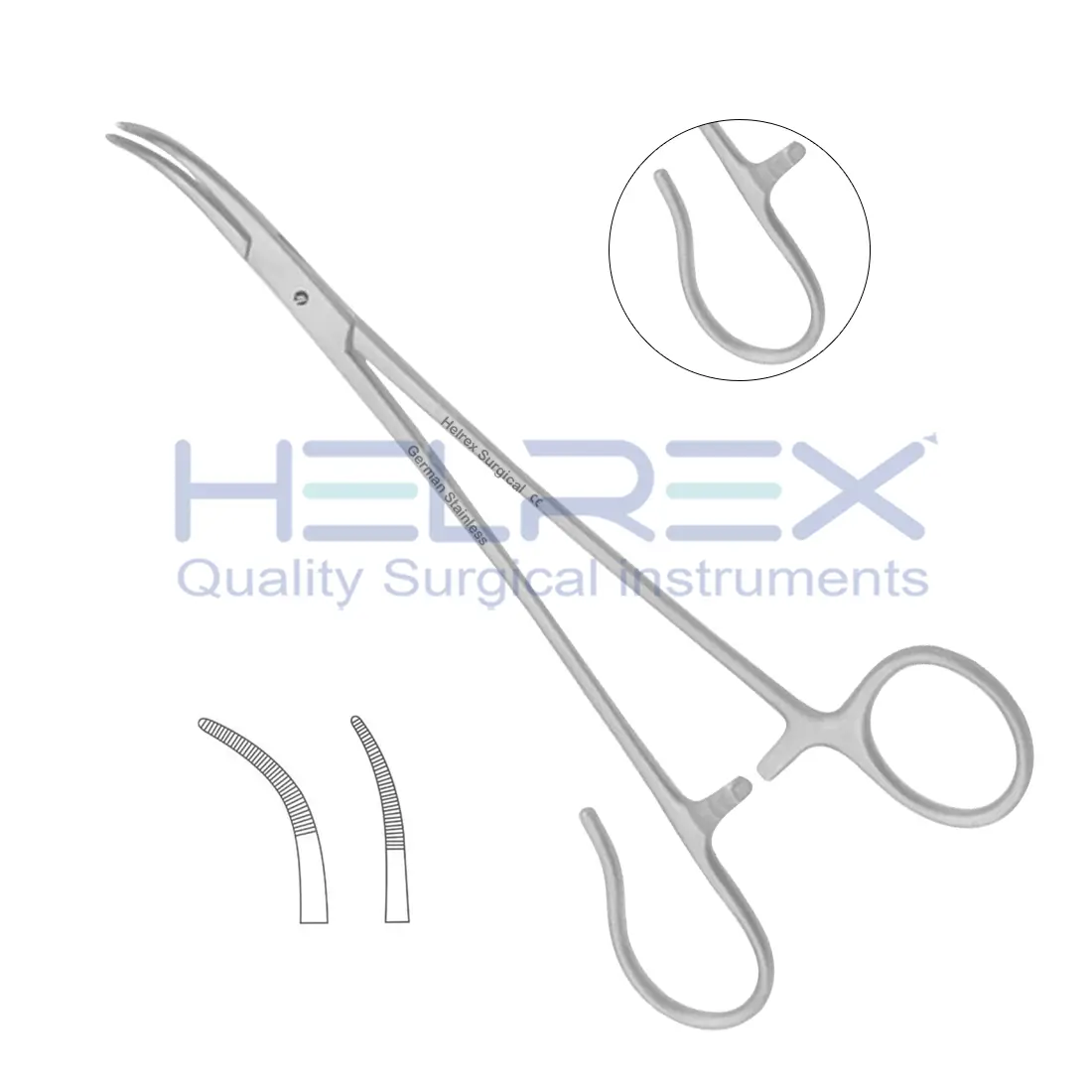
Schnidt Hemostatic Tonsil Forceps 7-1/2″ (19cm)
Original price was: $66.00.$45.00Current price is: $45.00.
- Precise control during tonsil and artery procedures.
- Curved jaws provide secure tissue gripping.
- Fully Reusable, Autoclavable / Sterilizable.
- Premium quality materials and craftsmanship.
- Lifetime Warranty.
Introduction of Schnidt Hemostatic Tonsil Forceps (19cm)
Across busy surgical settings, the Schnidt tonsil forceps earns its place through precise control rather than flash. Practitioners reach for it throughout tonsil procedures and artery procedures alike, trusting its curved jaw to reliably retract tonsils without slipping at the wrong moment.
What makes this instrument indispensable is its hemostatic action. When a surgeon needs to occlude blood vessels quickly, its jaws clamp down to cease bleeding and steady the field. That dual capacity explains why the Schnidt Tonsil and Artery Forceps name stuck across decades.
Beyond a single narrow role, it works as a versatile surgical instrument built for repeated demands. Its durability matters most when procedures run long and stakes climb. Understanding these fundamentals sets the stage before exploring styles, dimensions, and finer design details.
Iconic Features
Surgeons handling lengthy operations notice how the comfortable grip reduces hand fatigue, letting extended use stay steady. The open ring handle design offers freedom of movement, while a secure tissue grip ensures consistent performance whenever delicate work demands unwavering control throughout every stage.
Crafted from high-quality stainless steel, this reusable instrument withstands repeated sterilization cycles without corroding. Its stainless steel body delivers enhanced visibility against tissue, and the polished finish supports precision during delicate procedures where every fine movement genuinely matters to the outcome.
Jaw curvature adapts to the task: a light curve handles shallow fields, whereas a fully curved jaw navigates deeper anatomy. This optimal maneuverability, paired with closed ring-handles, delivers reliable positioning and steady control across confined spaces during demanding dissection work.
Modeled after boettcher style and sawtell style designs, the Schnidt-Sawtell artery/tonsil forceps doubles as artery clamps and tonsil clamps, gripping blood vessels and controlling tonsils. Its slightly curved jaw and maneuverability pair with a hemostatic agent, delivering dependable tissue grip during precise dissection work. This surgical instrument ships from Germany in a non-sterile state, available in various lengths to match diverse surgical needs. Its fully curved jaws form a full curve ideal to hold tonsils, while the open ring and open ring-handle span an overall length and length from 7 1/2″ to 14″.
| Weight | 0.14 kg |
|---|---|
| Shape | Full Curved, Half Curved |
Be the first to review “Schnidt Hemostatic Tonsil Forceps 7-1/2″ (19cm)”
- Helrex surgical instruments is a highly specialized process that requires attention to detail to ensure safety, sterility, and compliance with medical regulations. Each instrument should be carefully inspected for damage, wear, and proper functioning. Any defective items are discarded or repaired. Our instruments must be packed in poly bags packaging sterile packaging or according to Customers demand (Leather Case, Blister card, Display box etc.) Delivery time:- 6 working days via DHL/ FEDEX/ UPS/ TNT, 12working days via EMS. We must be shipped ASAP after payment is received in 5 working days or according to agreement.
Related products
Plastic Surgery Ring Forceps
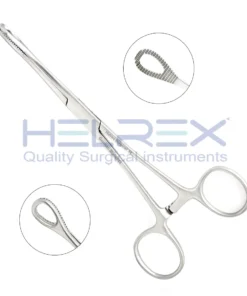
Plastic Surgery Ring Forceps
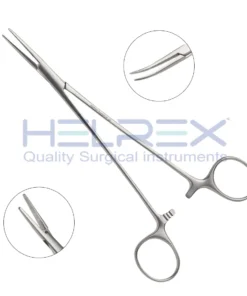
Plastic Surgery Ring Forceps
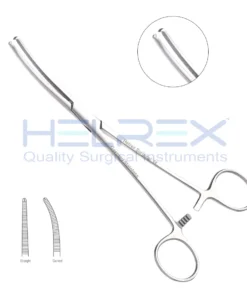
Plastic Surgery Ring Forceps
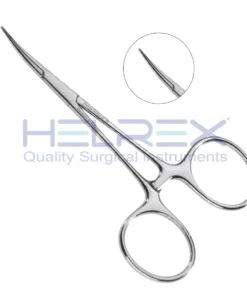
Plastic Surgery Ring Forceps
Plastic Surgery Ring Forceps
Plastic Surgery Ring Forceps
Plastic Surgery Ring Forceps

Reviews
There are no reviews yet.