



Hajek’s cheek retractor 18.0 cm,
Original price was: $77.00.$48.00Current price is: $48.00.
- Atraumatic concave blades protect delicate soft tissues.
- Double-ended design for versatile surgical exposure.
- Fully Reusable, Autoclavable / Sterilizable.
- Premium quality materials and craftsmanship.
- Lifetime Warranty.
Introduction of Hajek’s cheek retractor 18.0 cm,
Within clinical settings, the Hajek Retractor helps surgeons hold structures aside so they can move through tight spaces. This high-quality instrument offers precision when working near soft tissues, giving reliable control during procedures across plastic surgery and beyond, wherever careful tissue handling matters most.
Built from high-grade stainless steel, it resists wear while staying smooth and easy to clean. The ergonomic handle supports extended use, minimizing hand fatigue across long cases. Its concave curved blade delivers gentle retraction, protecting delicate tissues without sacrificing the strength surgeons depend on daily.
A Double ended design brings different blades into one tool, improving visibility within confined surgical areas. Surgeons gain maximum tissue retraction and steady maximum fixation while retracting cylindrical structures. These practical advantages make it a dependable choice offering lasting comfort through demanding forceful traction movements.
Key Uses
A general surgeon reaches for this instrument when soft tissue must sit aside without a hand holding it. Positioned along an incision, it statically holds back the layers of skin, keeping the operating field open while both hands stay free for the actual work.
Because its atraumatic blades press against round structures without cutting into them, the Hajek Cheek Retractor suits delicate exposure where bruising isn’t acceptable. The strong concave curvature cradles whatever lies beneath, and the retractor can be cleaned, sterilized, and reused across many procedures.
Cheek and intra-oral access depend heavily on how firmly the blade anchors a flap out of the line of sight. Surgeons set it to reveal narrow cavities, hold retracted margins steady, and turn tedious dissection into faster, safer, cleaner exposure work.
Built from stainless steel with clear corrosion resistance and a smooth satin finish, this Sharp retractor comes in 16.5cm and 17.5 cm lengths, its Working End Size covering both 30 x 18 mm and 25 x 10 mm options. The head follows a Square outline, rising to a horizontal peak that meets a horizontal point, while the remaining blade carries a terminal rim where the end edge tapers toward its blunt ends, all steadied by an ergonomically designed handle.
| Weight | 0.14 kg |
|---|
Be the first to review “Hajek’s cheek retractor 18.0 cm,”
- Helrex surgical instruments is a highly specialized process that requires attention to detail to ensure safety, sterility, and compliance with medical regulations. Each instrument should be carefully inspected for damage, wear, and proper functioning. Any defective items are discarded or repaired. Our instruments must be packed in poly bags packaging sterile packaging or according to Customers demand (Leather Case, Blister card, Display box etc.) Delivery time:- 6 working days via DHL/ FEDEX/ UPS/ TNT, 12working days via EMS. We must be shipped ASAP after payment is received in 5 working days or according to agreement.
Tags: Plastic Surgery Retractors
Latest Insights
Stay updated with the latest trends and guides related to this product.
View All Blogs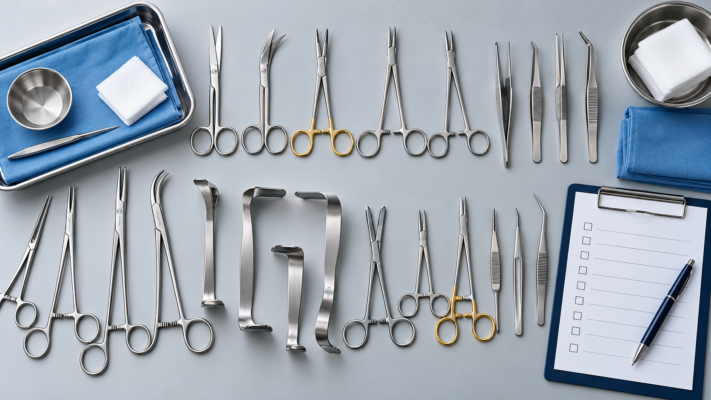
What to Check Before Ordering Surgical Instruments Online
A clear instrument order starts with a detailed product list. Whether you are…
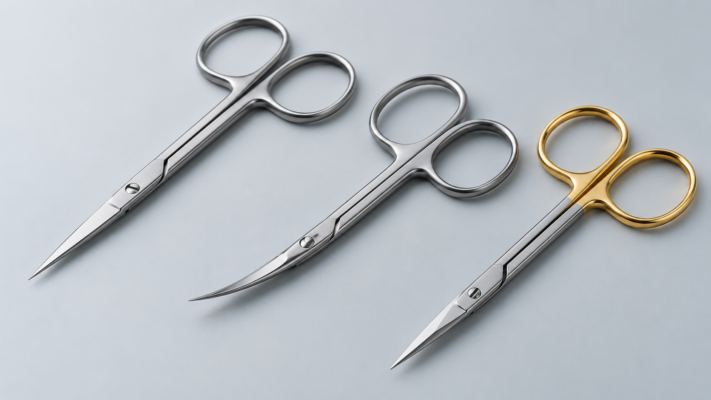
Exploring the Surgical Scissors Collection at Helrex
Surgical scissors can look similar in photographs while differing in their listed specifications.…
Liposuction Cannulas: Building a Clear Catalogue Enquiry
A well-prepared cannula enquiry helps a supplier understand exactly which catalogue item you…
Related products

Plastic Surgery Retractors

Plastic Surgery Retractors

Plastic Surgery Retractors

Plastic Surgery Retractors

Plastic Surgery Retractors

Plastic Surgery Retractors
Ferreira retractor face lift with fberoptic 11.0 cm x 2.2 cm

Plastic Surgery Retractors

Plastic Surgery Retractors

Reviews
There are no reviews yet.