Freeman and Gorney Retractors: Specialized for Plastic Surgery
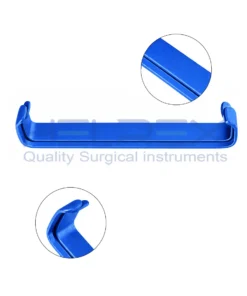
Plastic surgery practitioners discussing facelifts mention the Freeman retractor almost reflexively. Its unique shape lifts skin flaps without traumatizing the tissue beneath. That restraint delivers improved visibility across delicate procedures, where precise tissue handling quietly decides the final aesthetic result.
The Gorney retractor answers a different demand. Tummy tucks and breast reconstructions require tools built for larger procedures that securely hold bulk aside. Surgeons depend on it to hold tissue aside through abdominoplasties, keeping a clear view of complex anatomical structures below.
Overlooked is construction. Ergonomic design and comfortable handling cut surgeon fatigue across lengthy procedures, and steadier hands mean reduced tissue trauma. The real advantages appear hours in, when reliable function and control still hold during demanding procedures nobody planned to extend.
Both retractors suit abdominoplasty, breast surgery, and reconstructive surgeries alike. Their applications favor atraumatic work — gentle dissection, exposing structures, improving accessibility. Stable function makes them suitable for reconstructive procedures where margins vanish quickly. Experienced hands notice that difference by the third hour.
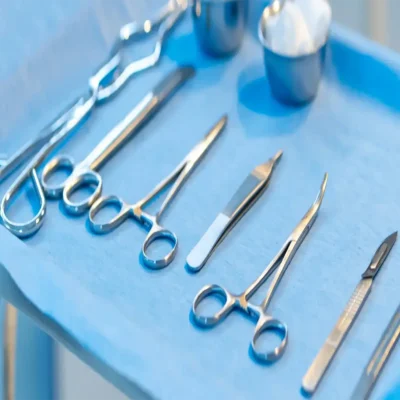
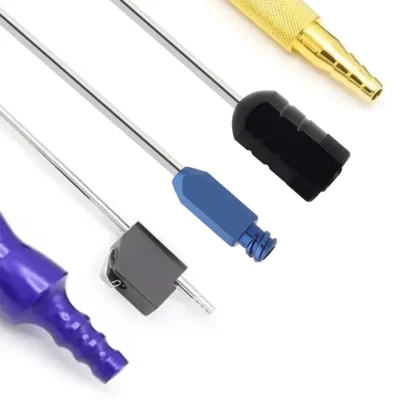
Retractor for plastic surgery
Modern plastic surgery rarely forgives generic tooling. Specialized plastic surgery retractors answer narrower demands. Wide-angle facelift retractors open a flap plane without crowding the surgeon's sightline. Breast retractors carry the depth cosmetic procedures require, holding delicate tissue steady rather than stretching it thin.
Named patterns persist for reasons. Gorney retractors hold facial planes without fatiguing the assistant. Freeman retractors suit lifting under flaps. Senn hooks, skin hooks, and fine hooks with sharp prongs allow atraumatic extraction of edges while retracting skin minimally along the margin.
German stainless steel matters less than ergonomics here. Precisely contoured instruments sit non-slippery in wet gloves, sparing grip strength. Handheld retractors shift with the field; self-holding retractors free a hand. Both feed optimal visualization, which quietly decides optimal postoperative results.
Modern plastic surgery sets demands no general tools tray meets. Specialized plastic surgery retractors close that gap. Wide-angle facelift retractors widen a flap plane cleanly; breast retractors reach depth cosmetic procedures need, steadying delicate tissue rather than stretching it thin. Choosing the right instruments quietly decides success.
Gorney retractors hold facial planes without tiring an assistant. Freeman retractors suit work beneath flaps. Senn hooks, skin hooks, and fine hooks carry sharp prongs for atraumatic extraction of edges. Nerve hooks and saddle hooks extend the same selection when retracting skin along a fragile wound margin.
German stainless steel alone proves little; surgical materials vary widely. High-quality manufacturing processes and international ISO standards decide whether premium-quality claims hold. Ergonomics follow: precisely contoured instruments stay non-slippery in wet gloves. A blade smaller than handle balances the wrist across long, demanding precise procedures.
Handheld retractors move with the field; self-holding retractors, once clamped in place, free a hand. A self-retaining retractor setup continues to hold back tissue through closure. Table-mounted chest retractors rarely appear here, though secure atraumatic exposure remains the shared aim. Both routes still depend on surgeon's experience and skill.
Over-tension on retracted skin causes ischemia and bruising days later. Avoiding forceful tissue separation keeps a gentle procedure gentle. Effective use of a curved blade delivers optimal visualization without crushing edges, which is how optimal postoperative results actually arrive. Modern surgery rewards restraint over force.
Types, Build Quality, And Ordering Of Retractors
Plastic Surgery Retractors span a wider catalog than most assume. Surgical retractors include wound retractors, abdominal retractors, lid retractors, bladder retractors, and prostate retractors. Plastic surgery hooks, lamina spreaders, spreaders, and abdominal spatulas sit alongside them, each matched to one body part rather than every case.
Shape and size follow the surgical incision, never the reverse. A hook-shaped blade will pull back tissue at an angle flat blades cannot. Fine hooks lift tissues and thin muscles; deeper blades and teeth expose underlying organs, giving full access and complete visualization through one handle.
Quality separates hand instruments that last from those discarded yearly. High-quality retractors and reliable surgical instruments keep sharp instruments sharp through repeated sterilization. Innovative designs now borrow from spinal surgeries, cardiac surgeries, and dermatological procedures, producing versatile applications rather than narrow instruments limited to one procedure type.
State-of-the-art instruments deserve unhurried buying. Request information first, compare specifications, then order. A dedicated online shop listing high-quality surgical instruments with honest personalized customer service shortens that process. Contact support before purchase, because specification gaps surface late, and safe procedures and efficient procedures ultimately yield optimal results.