

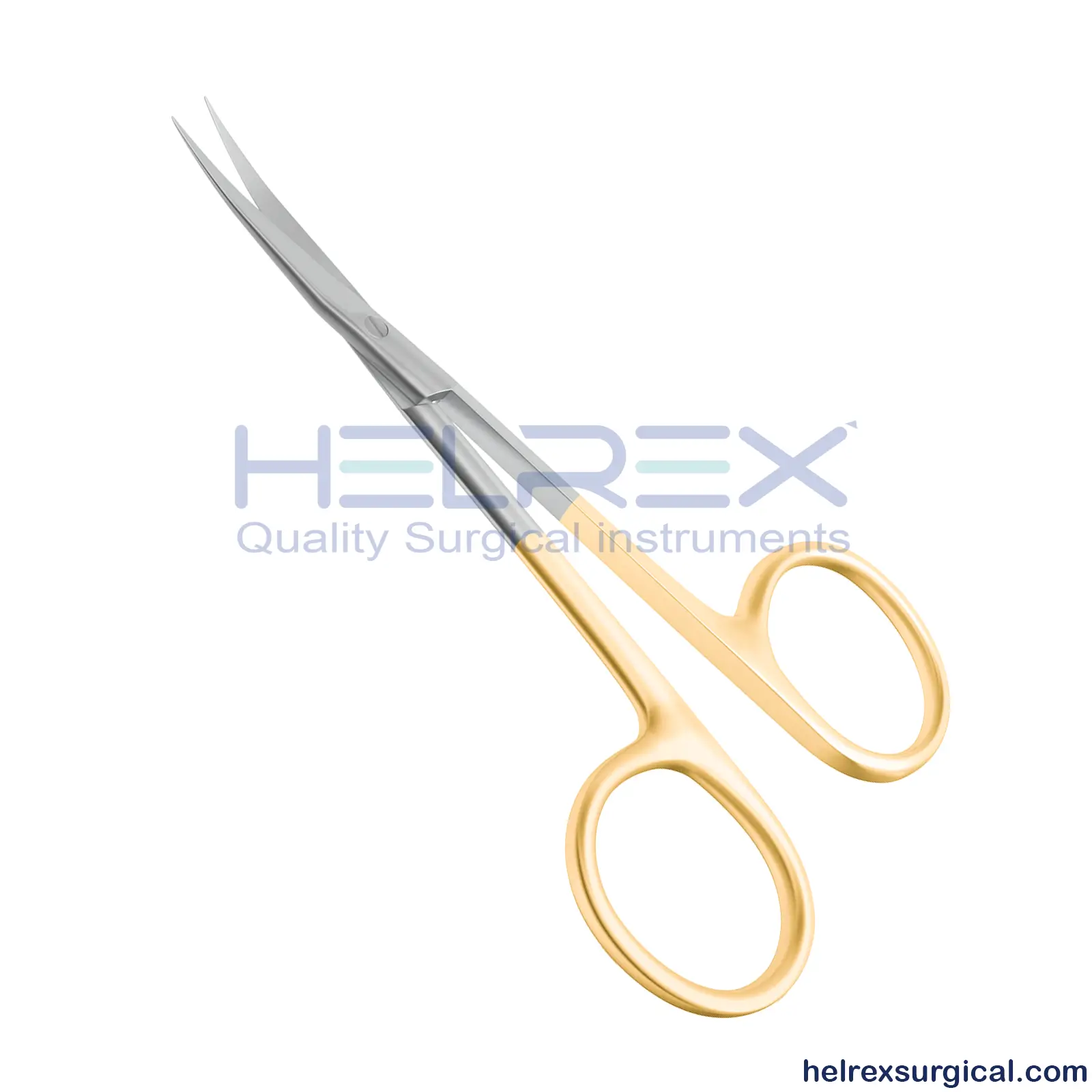
Iris Scissors Hard-Line Tungsten Carbide 4-1/2″ (11.5cm)
Original price was: $55.00.$45.00Current price is: $45.00.
- Fully Reusable / Autoclavable
- Lifetime Warranty
- Highly QC Passed
- Shipping Worldwide
Description of Iris Scissors Hard-Line Tungsten Carbide 4-1/2″
Precision Cutting Where It Matters Most
When a surgeon reaches for a pair of Iris scissors, they’re typically working in tight quarters where every millimeter counts. Originally designed for ophthalmic procedures back in the 19th century, these compact scissors have long outgrown their eye-surgery origins. Today you’ll find them tucked into instrument trays across ophthalmology, dermatology, plastic surgery, dental practices, veterinary clinics, and tissue dissection setups — basically anywhere fine work demands a small, sharp, dependable cutting tool.
This particular pair measures 4-1/2 inches (11.5 cm) a length that hits the sweet spot for 8hand control without sacrificing reach. The blades are inlaid with tungsten carbide, which is what separates this version from standard stainless steel models and bumps it into the category of premium surgical instruments.
Why Tungsten Carbide Changes the Game
Stainless steel is the workhorse material of surgical instruments, no argument there. But tungsten carbide blades operate on another level entirely. The metal is roughly three times harder than steel, which translates directly into edges that stay sharper for significantly longer — we’re talking three to five times the lifespan of conventional blades under comparable use.
What does that mean during an actual procedure? Cleaner cuts. Less tissue trauma. No tugging or crushing when you’re trimming sutures or dissecting delicate structures. The cutting action stays crisp from the first snip of the day to the last, which matters more than people outside the OR realize. A dulling blade forces you to apply more pressure, and more pressure on fine tissue is exactly what you’re trying to avoid.
The tungsten carbide inserts are typically identified by gold-handled ring grips, a convention most manufacturers follow so staff can spot them quickly when setting up trays.
Design Details That Earn Their Keep
The classic Iris pattern features sharp-sharp tips both blade points come to a fine pointed end. This is what makes them so well-suited to detailed dissection work, suture removal, and trimming in confined surgical fields. Some clinicians prefer the curved variant for working around contours, while the straight version remains the go-to for direct cutting tasks.
A few features worth noting:
- Finger rings sized for comfortable thumb-and-finger control, with a balance point that reduces hand fatigue during longer procedures
- Box-lock joint (or screw joint, depending on the manufacturer) that maintains blade alignment cut after cut
- Ratchet-free action that gives the user complete control over closing pressure and depth
- Autoclavable construction rated for repeat sterilization cycles without degradation
The smooth pivot action is something experienced practitioners notice immediately. There’s no grittiness, no resistance — just a clean, controlled scissoring motion that lets you focus on the tissue rather than the tool.
Common Applications
These scissors earn their place in a remarkable range of settings:
Ophthalmology — the original use case, for cutting fine ocular tissue and sutures during eye procedures.
Dermatology and Mohs surgery — excising small lesions, undermining skin edges, trimming grafts.
Plastic and reconstructive surgery — detailed dissection where precision outranks brute force.
Dental and oral surgery — periodontal work, suture management, soft tissue trimming.
Veterinary medicine — particularly useful in small animal and exotic practice where the patient anatomy demands miniature instruments.
Laboratory and research — dissection of specimens, microsurgical preparation, tissue sample harvesting.
Suture removal — the fine points slip beneath the suture loop without lifting the surrounding tissue.
| Manufacturer | HelrexSurgical® |
|---|---|
| Grade Material | German Stainless Steel and craftsmanship |
| Type | Hard-Line Serrated Tungsten Carbide Scissors |
| Logo / Packaging | Customized Available |
| Warranty | Lifetime |
| Certification | CE, ISO, FDA |
| Usage | Reusable / autoclavable |
| Weight | 0.14 kg |
|---|---|
| Shape | Curved, Straight |
Be the first to review “Iris Scissors Hard-Line Tungsten Carbide 4-1/2″ (11.5cm)”
- Helrex surgical instruments is a highly specialized process that requires attention to detail to ensure safety, sterility, and compliance with medical regulations. Each instrument should be carefully inspected for damage, wear, and proper functioning. Any defective items are discarded or repaired. Our instruments must be packed in poly bags packaging sterile packaging or according to Customers demand (Leather Case, Blister card, Display box etc.) Delivery time:- 6 working days via DHL/ FEDEX/ UPS/ TNT, 12working days via EMS. We must be shipped ASAP after payment is received in 5 working days or according to agreement.
Related products
Hard-Line (TC) Scissors
Hard-Line (TC) Scissors
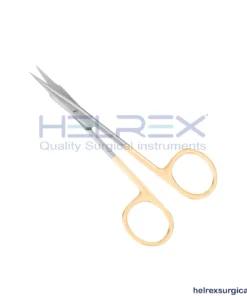
Goldman Fox Serrated Hard-Line Scissors 5″ (12.5cm) Tungsten Carbide
Hard-Line (TC) Scissors
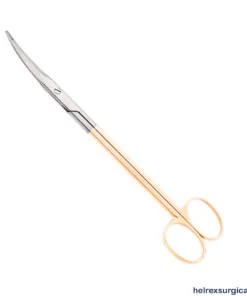
Gorney Facelift Hard-Line Tungsten Carbide Serrated Scissors, 7-1/2″ (19cm) Angled
Hard-Line (TC) Scissors
Hard-Line (TC) Scissors
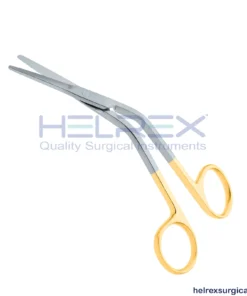
Fomon Serrated Hard-Line Tungsten Carbide Scissors 5-1/2″ (14cm), Angled
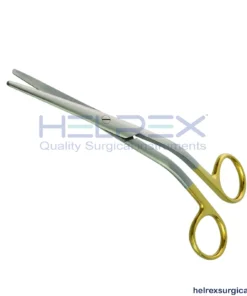
Hard-Line (TC) Scissors
Cottle Hard-Line Tungsten Carbide Scissors, 6-1/4″ (16cm), Angled
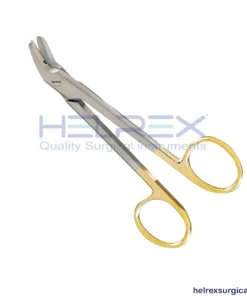
Hard-Line (TC) Scissors
Suture-Wire Scissors Hard-Line Tungsten Carbide 26 gauge (12cm), Angled
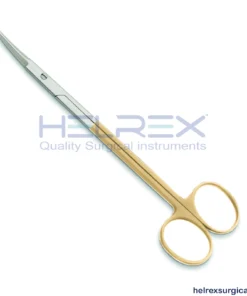
Hard-Line (TC) Scissors
Kaye Facelift Hard-Line Serrated Tungsten Carbide Scissors 7″ (18cm), Curved

Reviews
There are no reviews yet.